



The best way to store dried fruit long term is to protect it from moisture, heat, light and air by using airtight packaging and keeping it in a cool, dry and dark place. Dried fruit can still deteriorate when it absorbs moisture, experiences high temperatures or remains exposed to air for extended periods. Storage conditions therefore play an important role in maintaining texture, flavour and overall quality.
This guide explains practical storage steps, suitable containers, and bulk-buying tips, with extra attention to the humid Queensland climate.
What Is the Best Way to Store Dried Fruit Long Term?
The best long-term storage method combines proper drying, airtight packaging and a cool, dry environment to reduce moisture absorption and quality loss.
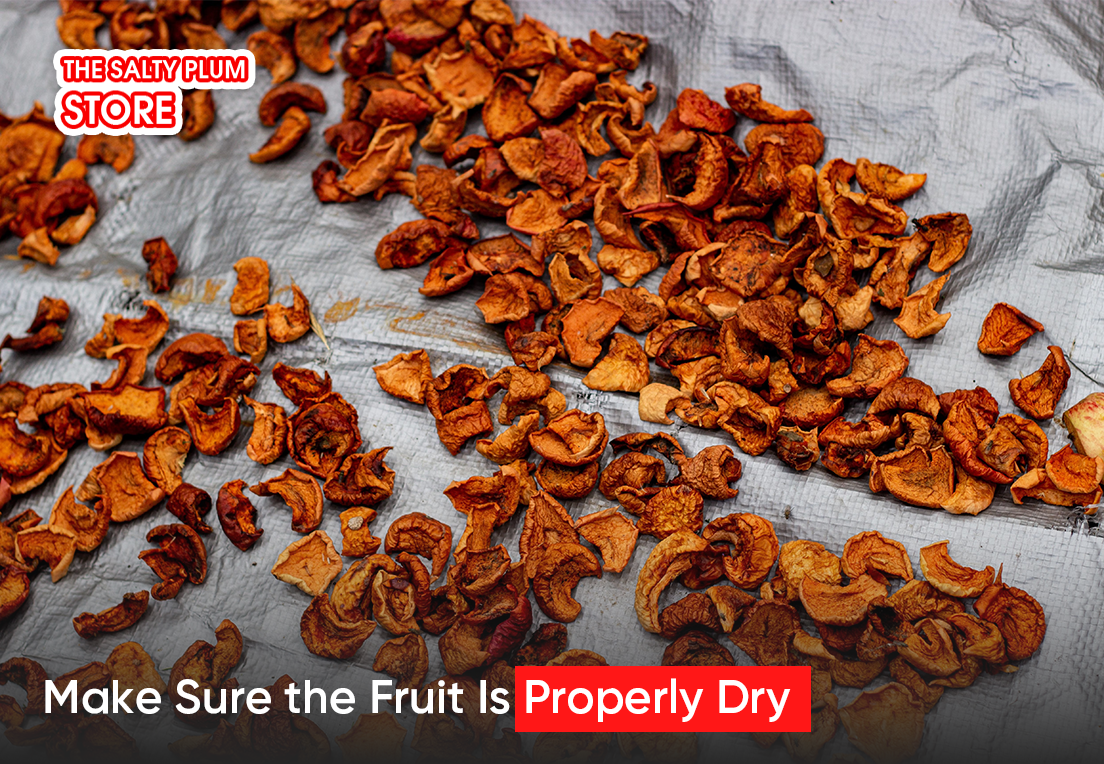
1. Make Sure the Fruit Is Properly Dry
Properly dried fruit provides the foundation for safe and effective long-term storage because excess moisture can encourage quality deterioration. Homemade dried fruit should feel appropriately dry for its type rather than remain noticeably wet or release moisture when stored.
Dried fruit that retains excess moisture can absorb or redistribute water inside the package, which may create conditions for mould growth. The National Center for Home Food Preservation (NCHFP) recommends checking dried foods for moisture and conditioning homemade dried fruit before long-term storage.
Proper drying also helps preserve the expected texture of the product. Fruit that remains too moist can become sticky or develop an undesirable texture during storage.
2. Let It Cool Completely
Completely cooled dried fruit prevents condensation from forming inside the storage container. Warm fruit can release residual heat into a sealed container, while temperature differences can encourage moisture to collect on the container walls or food surface.
This step becomes especially important when you move homemade dried fruit directly from a dehydrator into an airtight jar. Sealing warm fruit can trap moisture that should otherwise escape.
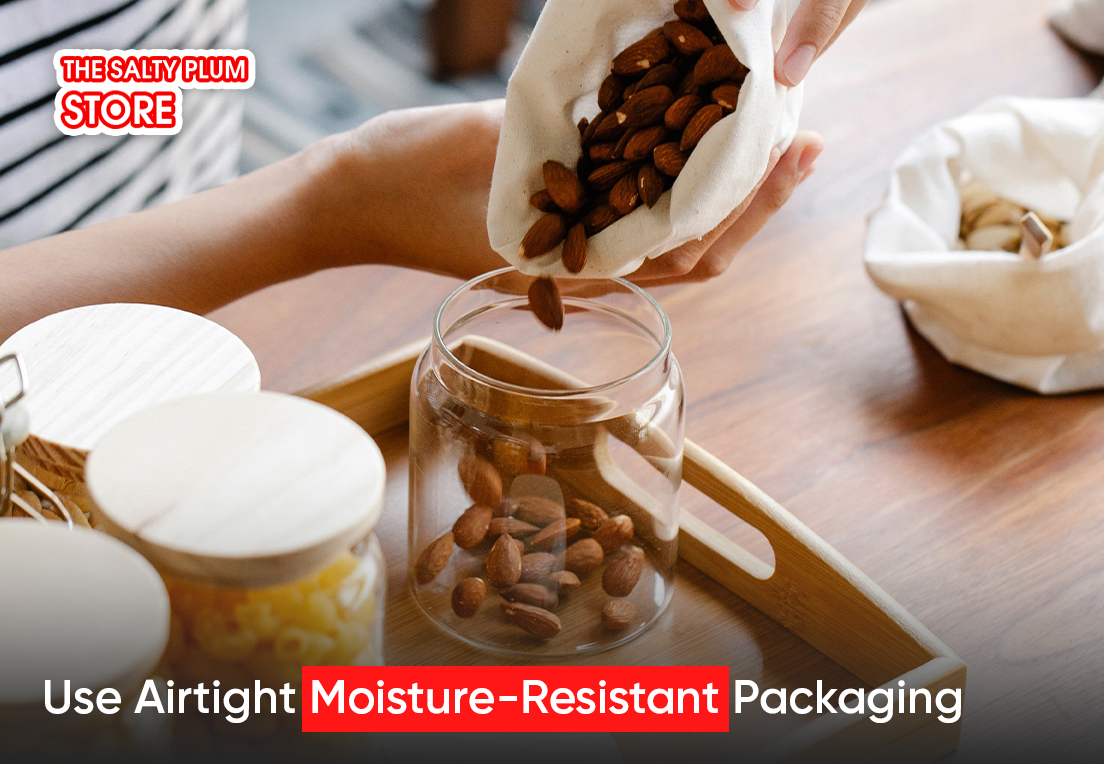
3. Use Airtight Moisture-Resistant Packaging
Airtight packaging protects dried fruit by reducing exposure to air and environmental moisture. Suitable options include glass jars with tight-fitting lids, airtight food containers, heavy-duty freezer bags and other moisture-resistant packaging.
A good container should perform several functions:
- Airtight: The container limits air exchange after sealing.
- Moisture-resistant: The packaging prevents humid air from reaching the fruit.
- Insect-resistant: A secure closure prevents insects from entering the food.
- Light-protective: Opaque or light-resistant packaging reduces prolonged light exposure.
The NCHFP recommends clean, dry, insect-proof containers such as glass jars, plastic freezer containers with tight-fitting lids and freezer bags. Vacuum packaging can also provide an additional option for long-term storage.
4. Divide Large Quantities Into Smaller Portions
Small storage portions reduce the amount of dried fruit exposed to air each time you open a container. A large container can repeatedly introduce humid household air whenever you take out a serving, while sealed smaller portions remain protected.
This approach works particularly well for bulk purchases because you can keep one portion as a working pack and leave the remaining portions sealed. Smaller portions also make it easier to monitor product quality and use older stock before newer purchases.
5. Label and Rotate Your Stock
Clear labels help you track when dried fruit entered storage and which portion you should use first. You can record the purchase date, opening date or packing date depending on how you manage your food supplies.
For commercially packaged dried fruit, the manufacturer's storage instructions and best-before date should remain the primary reference because formulations and packaging can differ between products.
Storage conditions also influence how long dried fruit can maintain good quality. For general shelf-life guidance and the factors that affect storage duration, see how long does dried fruit last.
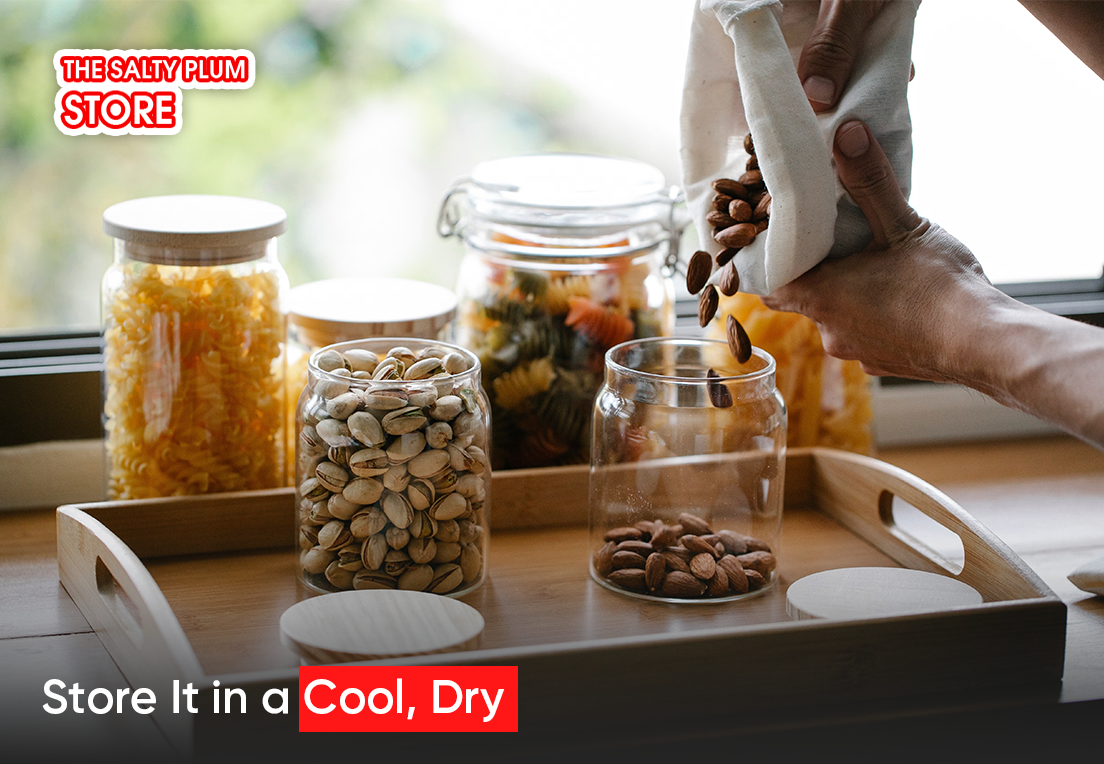
6. Store It in a Cool, Dry
A cool, dry storage area helps dried fruit maintain quality for longer than a hot, humid or brightly lit environment. Heat can accelerate quality changes, while moisture can cause dried fruit to reabsorb water and become less stable.
A pantry can work well when the area stays cool and dry. You should avoid locations near ovens, stovetops, direct sunlight or other heat sources because these areas can expose stored food to unnecessary temperature fluctuations.
What Is the Best Container for Storing Dried Fruit?
The best container for dried fruit combines a secure seal with effective protection against moisture, insects and, where appropriate, light.
|
|
|
|
|
|
|
|
|
|
|
|
|
|
|
|
|
|
Glass jars provide a practical option for home storage because their tight-fitting lids create a strong barrier against environmental moisture. Airtight food containers offer similar convenience when you regularly open and close the product.
Vacuum-sealed bags can reduce the air surrounding dried fruit, but vacuum sealing cannot correct fruit that was inadequately dried. Proper drying and moisture control remain essential regardless of the packaging method.
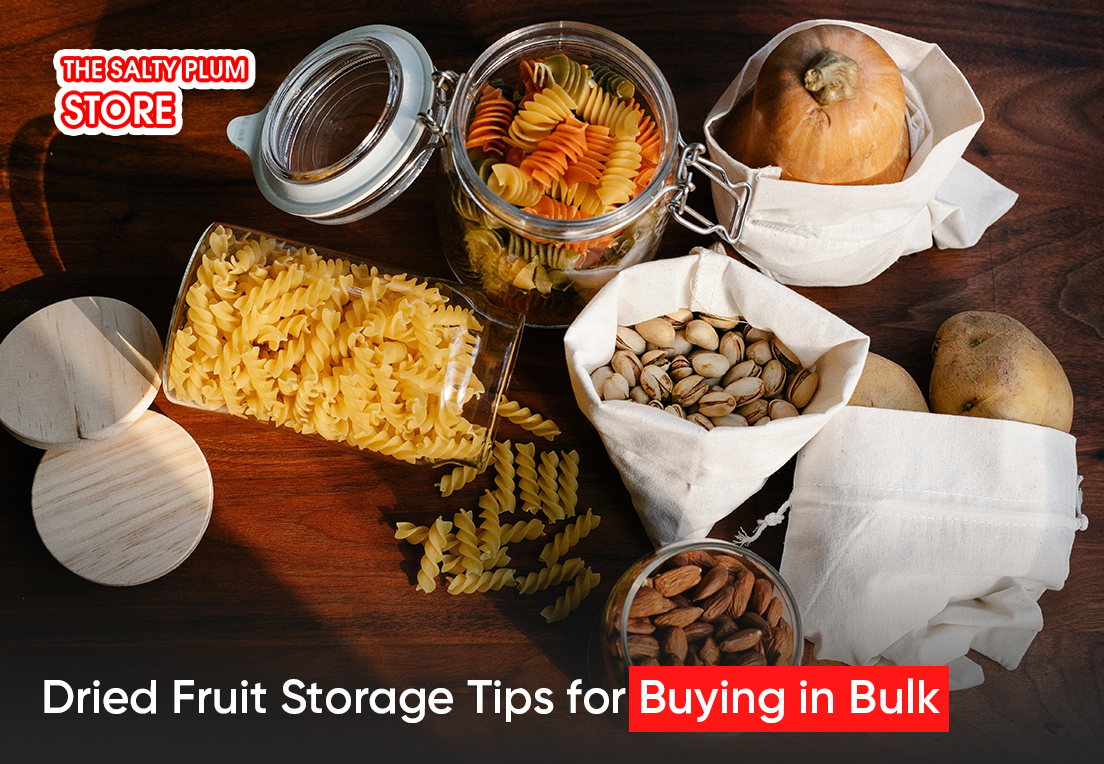
Dried Fruit Storage Tips for Buying in Bulk
Bulk purchases require portioning and sealing because frequent access to one large package can expose the entire supply to air and humidity.
If you buy dried fruit in larger quantities, follow these practical steps:
- Divide bulk purchases into smaller portions that match your expected usage.
- Keep one working pack available for regular snacking or cooking.
- Keep remaining portions sealed until you need them.
- Label purchase and opening dates to make stock rotation easier.
- Use the oldest stock first instead of opening newer packages unnecessarily.
- Refrigerate or freeze unused quantities when appropriate, particularly when storage conditions are hot or humid.
- Follow manufacturer instructions because different dried and preserved fruit products can have different storage requirements.
Refrigeration can be particularly useful when pantry conditions are warm or humid, but it is not always necessary for properly dried fruit. Learn more about does dried fruit need to be refrigerated and when colder storage may be appropriate.
Bulk storage becomes particularly relevant in Queensland because high humidity can increase the risk of moisture exposure after opening. Keeping reserve portions sealed can therefore provide better protection than repeatedly opening one large package.
Even with careful storage, dried fruit should be checked before consumption, particularly if a package has been opened for an extended period. Learn how to tell if dried fruit has gone bad by looking for changes that may indicate the product is no longer suitable to eat.
Long-term dried fruit storage depends on controlling moisture, air, heat and light throughout the storage process. Properly dried fruit should cool completely before you place it in airtight, moisture-resistant packaging, while smaller portions can reduce repeated exposure to humid air. A cool, dry and dark location provides a suitable environment for maintaining quality, and refrigeration or freezing can offer an additional option when conditions are particularly warm or humid.
If you are looking for Asian and tropical dried and preserved fruit for everyday use or bulk purchasing, TSG Gordonvale offers products including dried mango, dried pawpaw, dried tamarind, dried ginger, dried olive and dried prune