



A reaction to dried fruit can be caused by an allergy to the fruit itself, sulfite sensitivity, another ingredient, or cross-contact. An allergy to dried fruit does not automatically mean that sulfites caused the reaction, because different mechanisms can produce similar symptoms.
This guide explains the main symptoms of allergy to dried fruit, the possible causes of a reaction, and why sulfites receive particular attention in dried-fruit products.
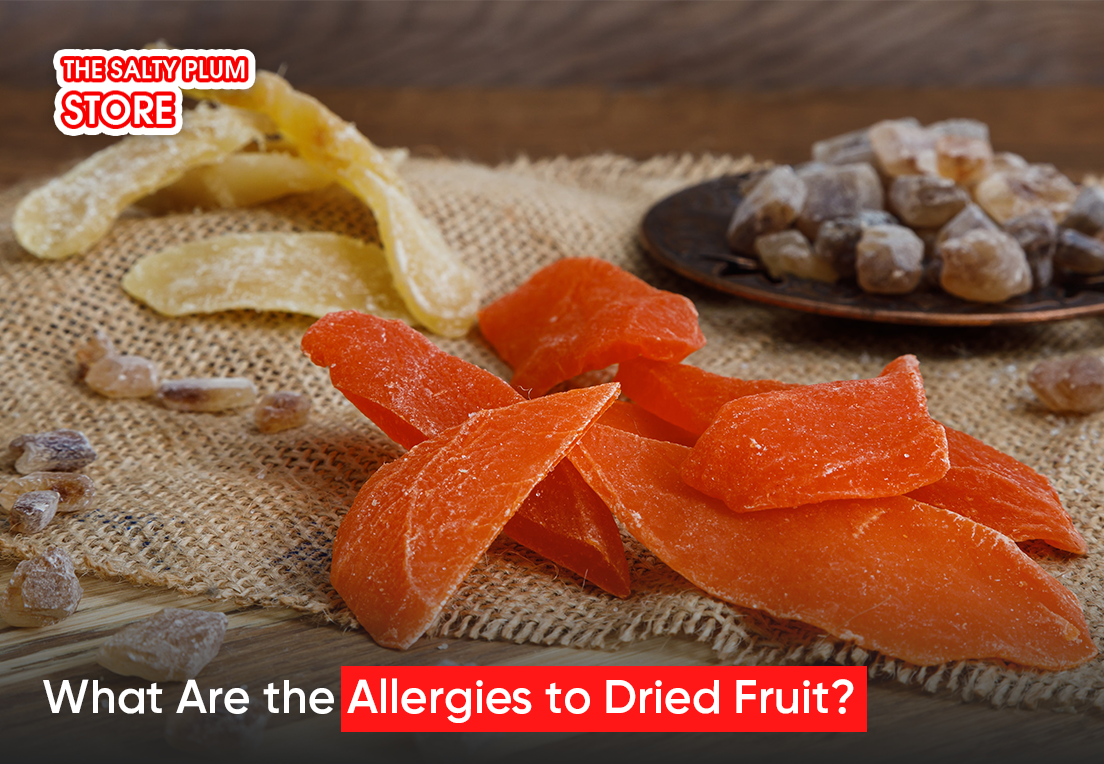
What Are the Allergies to Dried Fruit?
Allergy to dried fruit can produce skin, mouth, digestive, or respiratory symptoms when the immune system reacts to a food protein or another relevant trigger.
Common symptoms of a reaction to dried fruit include:
- Itchy or tingling lips, mouth, tongue, or throat.
- Hives or an itchy skin rash.
- Swelling of the lips or face.
- Nausea or stomach discomfort.
- Abdominal pain or cramping.
- Vomiting or diarrhoea.
- Coughing, wheezing, or other breathing symptoms.
What Can Cause a Reaction to Dried Fruit?
A reaction to dried fruit can result from the fruit itself, preservatives, other ingredients, or cross-contact during processing. These possibilities explain why two people can eat similar dried fruit products and experience very different reactions.
Sulfites Used During Processing
Sulfites can cause adverse reactions in sensitive people, particularly when dried fruit contains added sulfiting agents. Food manufacturers use compounds such as sulfur dioxide to help preserve food, inhibit microbial growth, and maintain colour during processing.
Dried apricots provide an important example because producers may use sulfites to preserve their characteristic colour and quality. Dried fruit, particularly dried apricots, is recognized as a primary dietary source of these additives.
Sulfites do not cause an immune-mediated food allergy in the same way that many food proteins do. Sulfite reactions are typically described as adverse reactions or intolerances that can resemble an allergy, with asthma symptoms being particularly relevant in people who already have asthma.
Other Ingredients and Cross-Contact
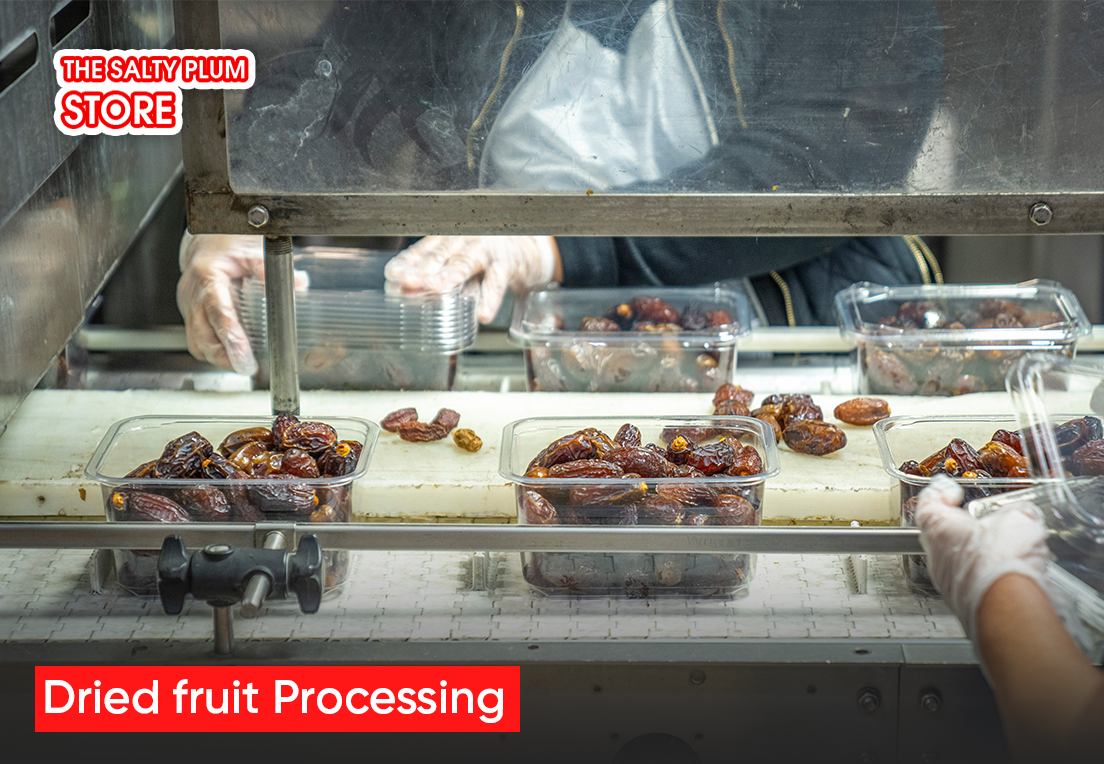
Other ingredients can cause a reaction when a dried-fruit product contains allergens that are separate from the fruit itself. Mixed dried-fruit products can contain or come into contact with nuts, peanuts, seeds, flavourings, preservatives, or other ingredients that may trigger an allergic reaction.
Cross-contact can also introduce an allergen into a product that does not intentionally contain that ingredient. Shared equipment and processing environments can therefore matter when a person has a known allergy to nuts or other foods.
Consumers should therefore examine the complete ingredient and allergen information rather than assuming that a product labelled simply as “dried fruit” contains only fruit.

Pollen-Food Allergy Syndrome and LTP Allergy
Pollen-food allergy syndrome (PFAS), also called oral allergy syndrome, can cause reactions to certain fruits because some food proteins resemble proteins found in pollen. Common foods associated with pollen-related cross-reactivity include apples, apricots, peaches, plums, pears, almonds, and hazelnuts, although individual reactions vary.
Lipid transfer protein (LTP) allergy provides another possible explanation for some plant-food reactions because LTPs can remain stable during digestion and processing. LTP-related reactions can involve foods such as apples, grapes, nuts, dried fruit peel, and preserved or processed plant foods.
These conditions do not explain every allergy to dried fruit, so readers should not assume that a reaction automatically represents PFAS or LTP allergy.
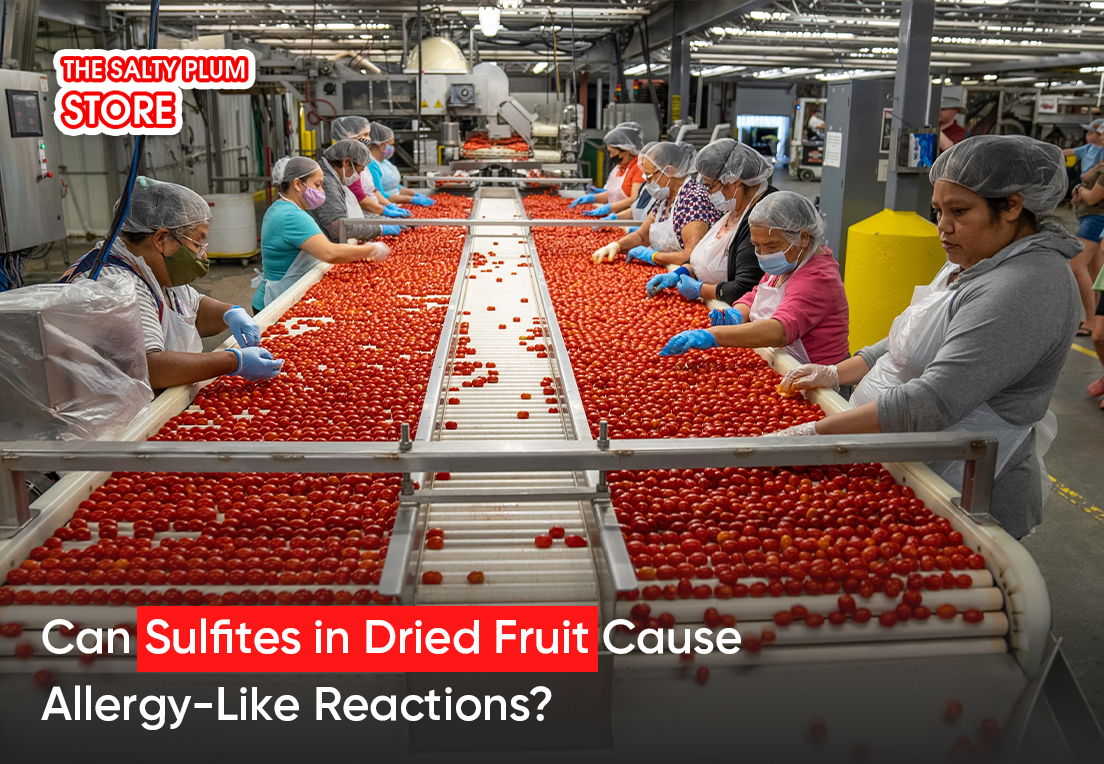
Can Sulfites in Dried Fruit Cause Allergy-Like Reactions?
Sulfites in dried fruit can cause allergy-like adverse reactions in some sensitive people, but sulfite sensitivity differs from a conventional food allergy. This distinction helps explain why a person may experience symptoms after eating a particular dried-fruit product without having an allergy to the fruit itself.
Sulfites are food additives that can protect certain foods from spoilage and help preserve colour and quality. Common sulfiting agents include sulphur dioxide and several sulphite or metabisulphite compounds.
Food producers use sulfites for several processing purposes, including:
- Preserving food quality.
- Reducing microbial growth.
- Slowing undesirable colour changes.
- Helping maintain the appearance of certain dried fruits.
Food safety standards often require added sulfites above certain concentrations (such as 10 mg/kg or more) to be declared on packaged food labels. Manufacturers can identify these additives through their prescribed names or additive codes (such as 220–228).
Some dried fruits may contain added sulfites, but the presence of sulfites depends on the individual product and its processing method. Dried apricots are a well-known example, while other dried fruits may also contain sulfites depending on how manufacturers process them.
Consumers should not assume that every dried apricot, dried apple, dried peach, dried pear, or other dried fruit contains sulfites. The ingredient list provides more reliable information than the fruit's colour or appearance.
When checking labels, consumers can look for terms such as sulphur dioxide, sodium sulfite, sodium bisulfite, sodium metabisulfite, potassium metabisulfite, potassium bisulfite, or standard additive numbers in the 220–228 range.
An allergy to dried fruit can have several possible causes, so identifying the specific trigger matters more than simply avoiding all dried fruit. Fruit proteins, sulfites, other ingredients, cross-contact, PFAS, and LTP-related allergy can produce different types of reactions, while product labels can help consumers identify potential sulfite and allergen exposure