



Apples, mangoes, pineapple, bananas, and strawberries are particularly practical choices because they are relatively easy to prepare and can produce appealing textures when dried properly. This guide compares 12 best fruits to dry, explains how each fruit behaves during dehydration, and shows the best ways to use the finished fruit.
|
|
|
|
|
|
|
|
|
|
|
|
|
|
|
|
|
|
|
|
|
|
|
|
|
|
|
|
|
|
|
|
|
|
|
|
|
|
|
|
|
|
|
|
|
|
|
|
|
|
|
|
|
|
|
|
|
|
|
|
|
|
|
|
|
|
|
|
|
|
|
|
|
|
|
|
|
|
1. Apples - Best All-Around Choice
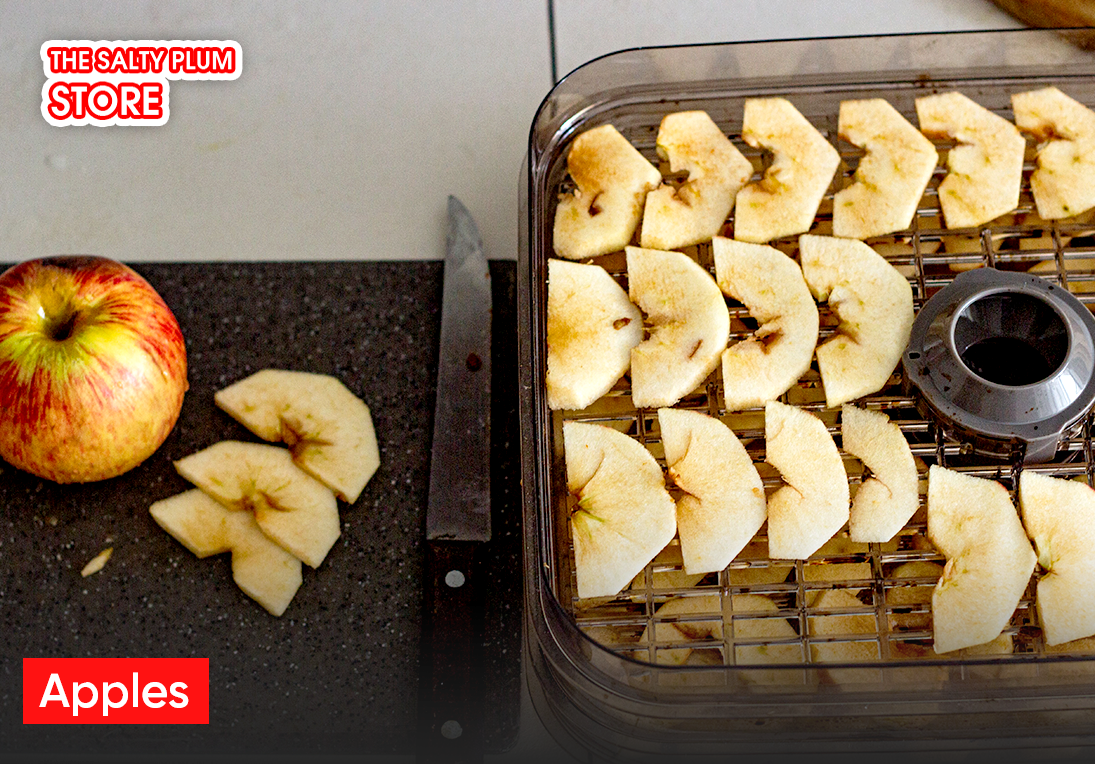
Apples make an excellent all-around dried fruit because they are easy to slice, widely available, and capable of producing either chewy or crisp results.
Dried apples develop a concentrated sweet-tart flavor and a texture that ranges from pliable to crisp depending on slice thickness and drying level. Thin slices can produce apple chips, while thicker slices generally retain more chew.
Apple preparation requires washing, coring, and slicing the fruit into relatively uniform pieces. The skin can remain on, although it can become tougher during drying, and an acidic pretreatment can help reduce browning after cutting.
Dried apples work particularly well as snacks, cereal toppings, granola ingredients, trail mix components, and baking ingredients. Their versatility makes them a practical starting point for beginners looking for the best fruit to dry at home.
2. Mangoes - Best Tropical Fruit
Mangoes make an excellent tropical dried fruit because dehydration concentrates their naturally sweet, aromatic flavor while preserving a satisfying chewy texture. Ripe but firm mangoes generally provide easier slicing and better handling than fruit that has become excessively soft.
Dried mango develops a rich tropical flavor and a soft, chewy texture when the fruit retains some moisture after dehydration. Slice thickness strongly influences the finished texture because thicker pieces generally take longer to dry than thin strips.
Mango preparation requires peeling the fruit, removing the stone, and cutting the flesh into consistently sized pieces. Uniform slices help the pieces dry at a similar rate, while overripe mango can become difficult to handle.
Dried mango works especially well as a portable snack, lunchbox treat, trail-mix ingredient, or baking component. TSG Gordonvale also carries several dried mango products, including Golden Yeh Dried Mango, making mango a natural connection between homemade dehydration and ready-to-eat tropical fruit.
3. Pineapples - Best Sweet-Tart Tropical Fruit
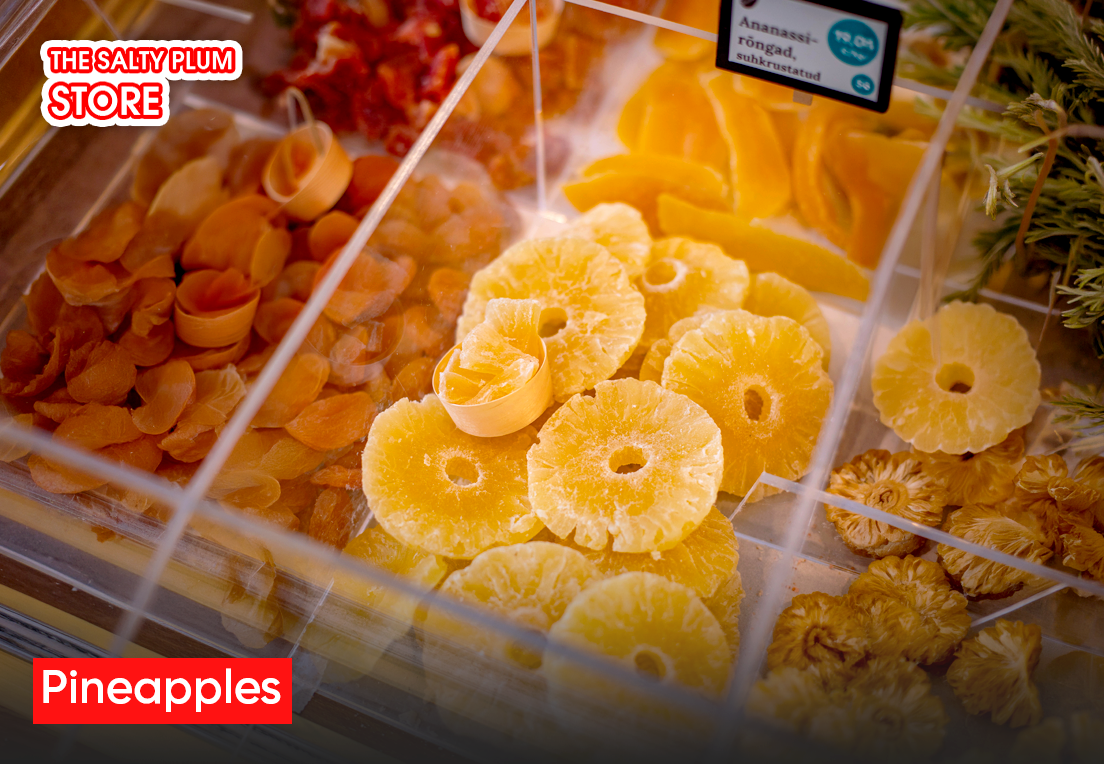
Pineapple makes a distinctive dried fruit because its natural sweetness and acidity become more concentrated during dehydration. The resulting flavor provides more contrast than milder fruits such as pear or banana.
Dried pineapple typically develops a soft, chewy texture when you remove enough moisture without drying the fruit until it becomes hard. The final texture depends strongly on slice thickness and drying conditions.
Dried pineapple works well as a snack, trail-mix ingredient, baking addition, or tropical fruit blend. TSG Gordonvale also lists 7D Dried Pineapple among its products, which gives readers an easy ready-to-eat alternative.
4. Bananas - Best Naturally Sweet Choice
Bananas make an easy dried fruit because their soft flesh requires little preparation beyond peeling and slicing. Dried bananas develop concentrated sweetness and can range from chewy to crisp depending on the slice thickness and drying level. Thin slices generally lose moisture more quickly than thick pieces.
Banana preparation requires peeling the fruit and cutting it into evenly sized coins or strips. Consistent pieces help prevent some slices from becoming overly dry while thicker pieces remain moist.
Dried bananas suit snacks, cereal, granola, trail mixes, and baking because their natural sweetness pairs well with many other ingredients. Their simple preparation makes them particularly useful for first-time home dehydrators.
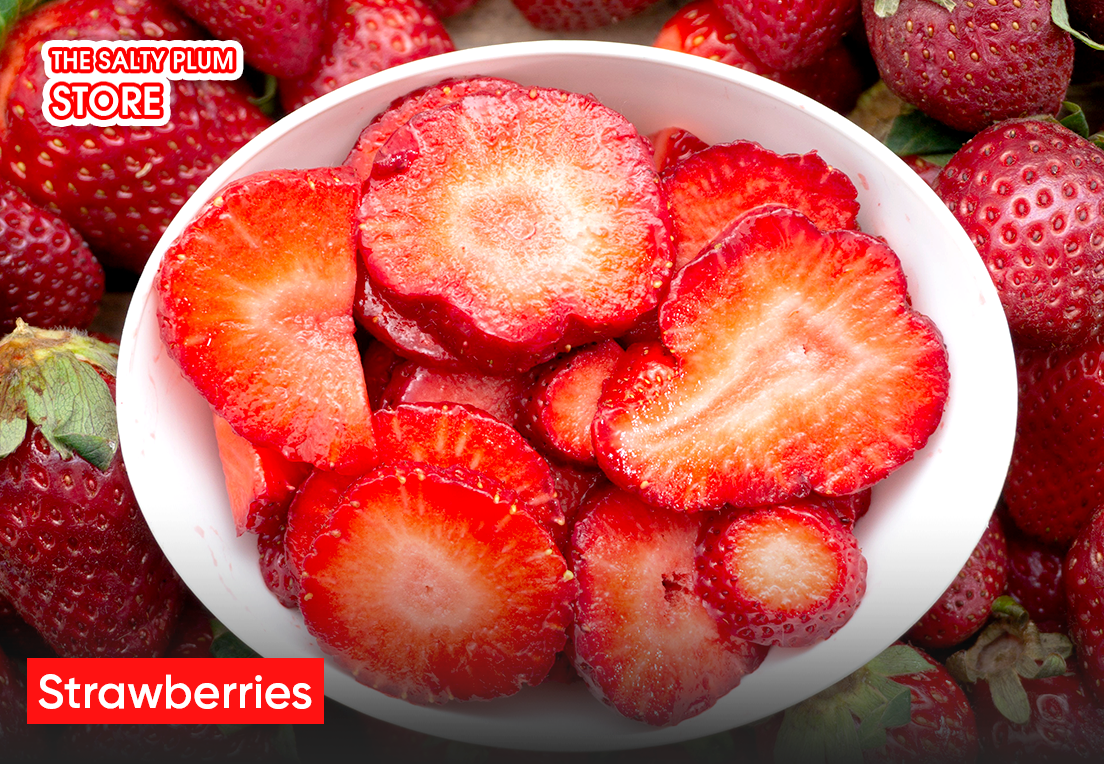
5. Strawberries - Best Berry for Beginners
Strawberries make one of the easiest berries to dry because they are simple to prepare and produce a strongly concentrated fruit flavor. Dried strawberries develop a sweet-tart flavor and can become chewy or crisp depending on slice thickness and drying time. Thin slices generally dry faster than whole berries because cutting increases the surface area available for moisture loss.
Strawberry preparation requires washing, removing the caps, and slicing the fruit into relatively uniform pieces. Small berries can remain whole, but whole berries generally take longer to dry because their skin limits moisture evaporation.
Dried strawberries work well in granola, yogurt toppings, trail mixes, baking, and snack blends. Their bright flavor also adds variety when combined with milder dried fruits.
6. Peaches - Best Soft Stone Fruit
Peaches make a good dried fruit because their aromatic flesh produces a naturally sweet, soft, and chewy result after dehydration. The fruit should remain firm enough to slice cleanly rather than becoming difficult to handle.
Dried peaches concentrate the fruit's sweetness while retaining a characteristic soft texture. Their flavor makes them useful for both direct snacking and recipes.
Dried peaches work particularly well in trail mixes, breakfast dishes, baking, and snack combinations. Their soft texture also contrasts nicely with crisp dried apples or bananas.
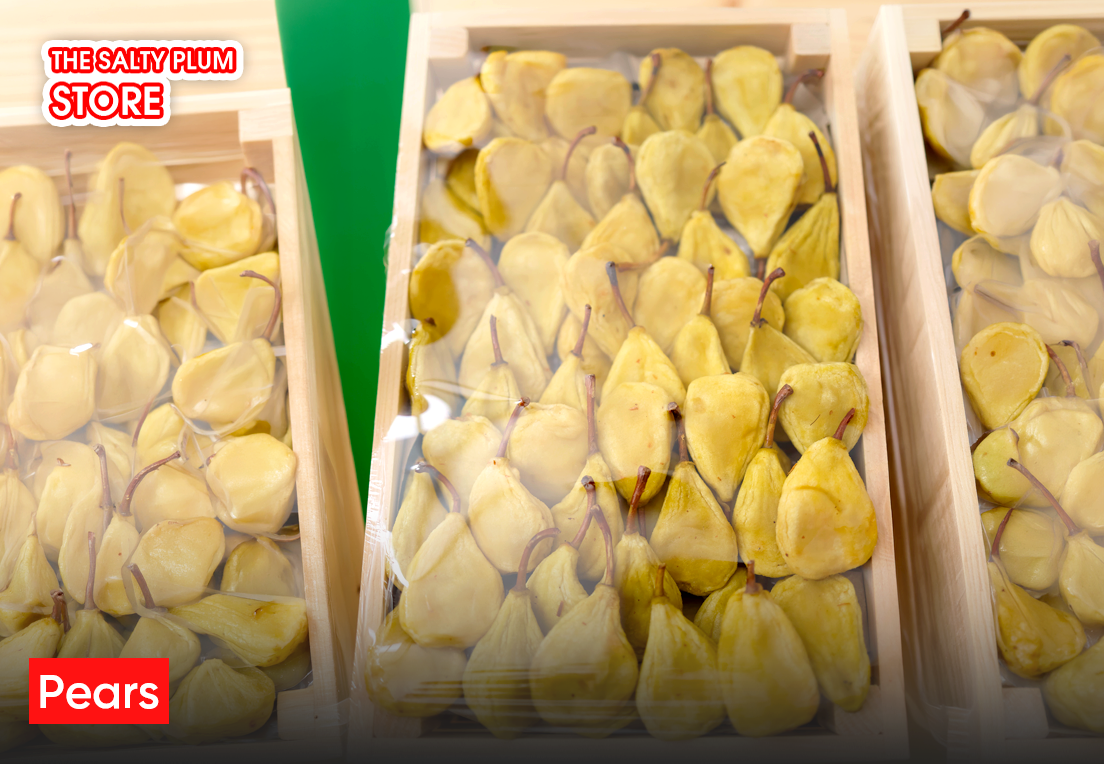
7. Pears - Best Naturally Chewy Fruit
Pears make a useful dried fruit because their naturally firm flesh can develop a soft, chewy texture without requiring complicated preparation. Pears also offer a milder sweetness than strongly flavored tropical fruits.
Dried pears provide a gentle sweet flavor and a tender-to-chewy texture when properly dehydrated. Thicker slices generally retain more chew than very thin pieces.
Dried pears work well as snacks, cereal additions, granola ingredients, and baking components. Their mild flavor makes them useful when you want a less intense dried-fruit profile.
8. Apricots - Best Classic Dried Fruit
Apricots make a classic dried fruit because their dense flesh develops a concentrated sweet-tart flavor and soft, chewy texture. Dried apricots retain a recognizable fruit character while becoming denser and chewier than the fresh fruit. The final result depends on fruit maturity, piece size, and the degree of moisture removal.
Apricot preparation requires washing, removing the stone, and cutting the fruit into manageable pieces. Even sizing helps the pieces dry more consistently.
Dried apricots suit snacking, baking, trail mixes, and cooking because their concentrated flavor works in both sweet and savory applications. Their established place in dried-fruit traditions also makes them a useful benchmark when comparing homemade results.
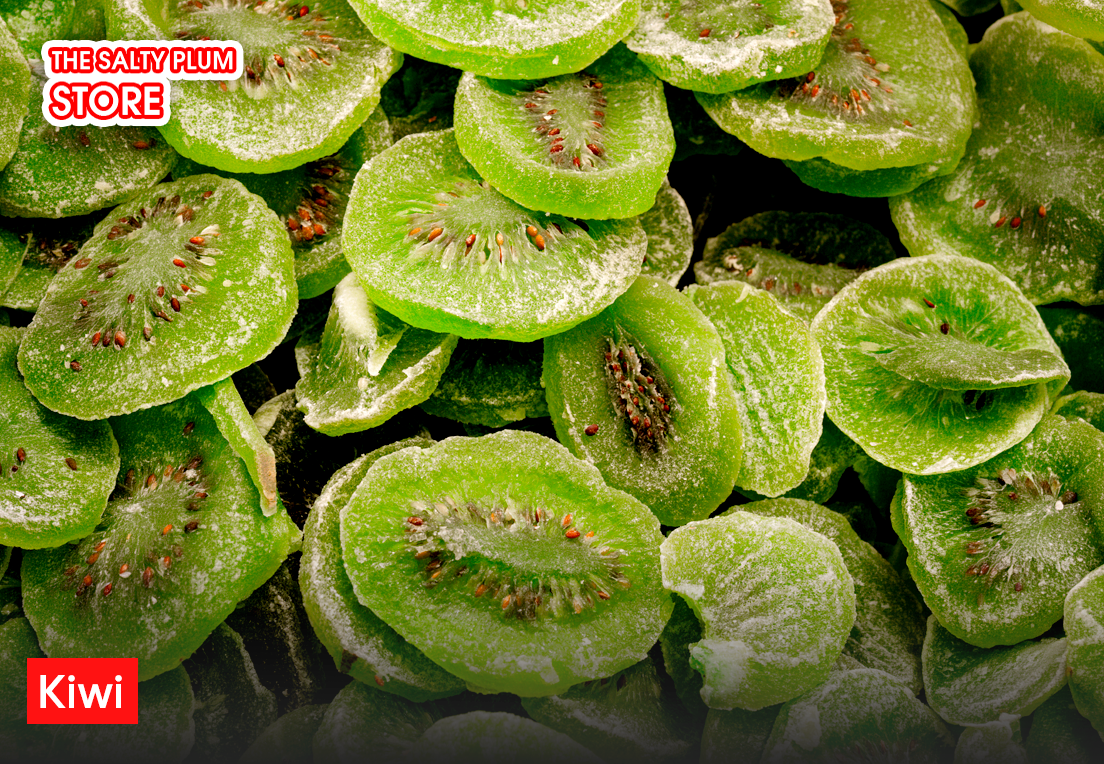
9. Kiwi - Best Tangy Fruit
Kiwi makes a distinctive dried fruit because its natural acidity and sweetness create a stronger tangy flavor than many common dried fruits. The fruit also adds visual variety through its green flesh and small edible seeds.
Dried kiwi can develop a chewy or crisp texture depending on how thinly you slice it and how far you dehydrate it. Thin slices generally provide a more chip-like result.
Kiwi preparation requires removing the skin or choosing to retain it when appropriate, then cutting the fruit into consistent rounds. Even slices help the pieces dry at a similar rate.
Dried kiwi works well as a snack, fruit-chip ingredient, trail-mix addition, or colorful topping. Its tart profile makes it particularly suitable for people who find very sweet dried fruits overwhelming.
10. Blueberries - Best Whole Berry
Blueberries make a useful whole-fruit drying option because their small size allows them to remain intact during dehydration. However, the skin can slow moisture movement compared with fruits that are sliced before drying.
Dried blueberries generally develop a soft and chewy texture rather than the crisp texture associated with thin apple or strawberry slices. The final texture depends on berry size and the amount of moisture removed.
Blueberry preparation requires washing, sorting, and removing damaged fruit before placing the berries on drying trays. Whole berries can require more patience because their intact skins provide less exposed surface area for moisture evaporation.
Dried blueberries work well in granola, cereal, trail mixes, baking, and snack blends. They also pair naturally with oats, nuts, and other dried fruits.
11. Cherries - Best for Baking
Cherries make a strong dried-fruit choice for baking because their concentrated sweet-tart flavor remains noticeable after dehydration. Their dense flavor allows small quantities to contribute character to baked goods.
Dried cherries usually develop a soft, chewy texture rather than a crisp texture. The final result depends on the size of the fruit and how much moisture remains after drying.
Cherry preparation requires washing, removing the stems and pits, and dividing larger pieces when necessary. Removing the pit is especially important because the pit prevents convenient eating and affects the uniformity of the drying process.
Dried cherries work especially well in cookies, breads, cakes, granola, trail mixes, and snack blends. Their strong flavor makes them more useful as an ingredient than as a neutral base fruit.
12. Grapes - Best Traditional Dried Fruit
Grapes make a traditional dried fruit because dehydration transforms the fresh fruit into raisins while concentrating its natural sweetness. Their familiar result makes grapes an accessible example of how dehydration changes fruit.
Dried grapes develop a chewy texture and concentrated sweetness as water leaves the fruit. Whole grapes take longer to dry than thinly sliced fruit because their intact skin limits exposed surface area.
Grape preparation requires washing, sorting, and removing damaged fruit before drying. Some drying methods also use pretreatment to help moisture escape through the skin.
Dried grapes work well as snacks, cereal toppings, trail-mix ingredients, baking additions, and cooking ingredients. Their versatility explains why raisins remain one of the most recognizable forms of dried fruit.
The best fruit to dry depends on the result you want because each fruit offers a different balance of flavor, texture, preparation effort, and drying behavior. Apples and bananas provide straightforward starting points, while mangoes and pineapple offer strong tropical flavors, and strawberries provide an accessible berry option.
The best fruits to dry in a dehydrator are ultimately the fruits that match your preferred texture and intended use. By choosing firm, suitable produce, cutting pieces evenly, and monitoring the drying process rather than relying on a fixed time, you can produce more consistent results. Properly dried fruit should also be cooled and conditioned before long-term storage, while cool, dry, and dark storage helps maintain quality