



Most dried fruit does not strictly need to be refrigerated because the drying process removes much of the water that supports microbial growth. Refrigeration can extend quality, especially after opening, during long-term storage, or in warm and humid conditions, but the product’s own storage instructions should always take priority.
This guide explains when pantry storage works, when refrigeration makes more sense, and how long dried fruit can typically last under different conditions.
When Refrigeration Makes More Sense
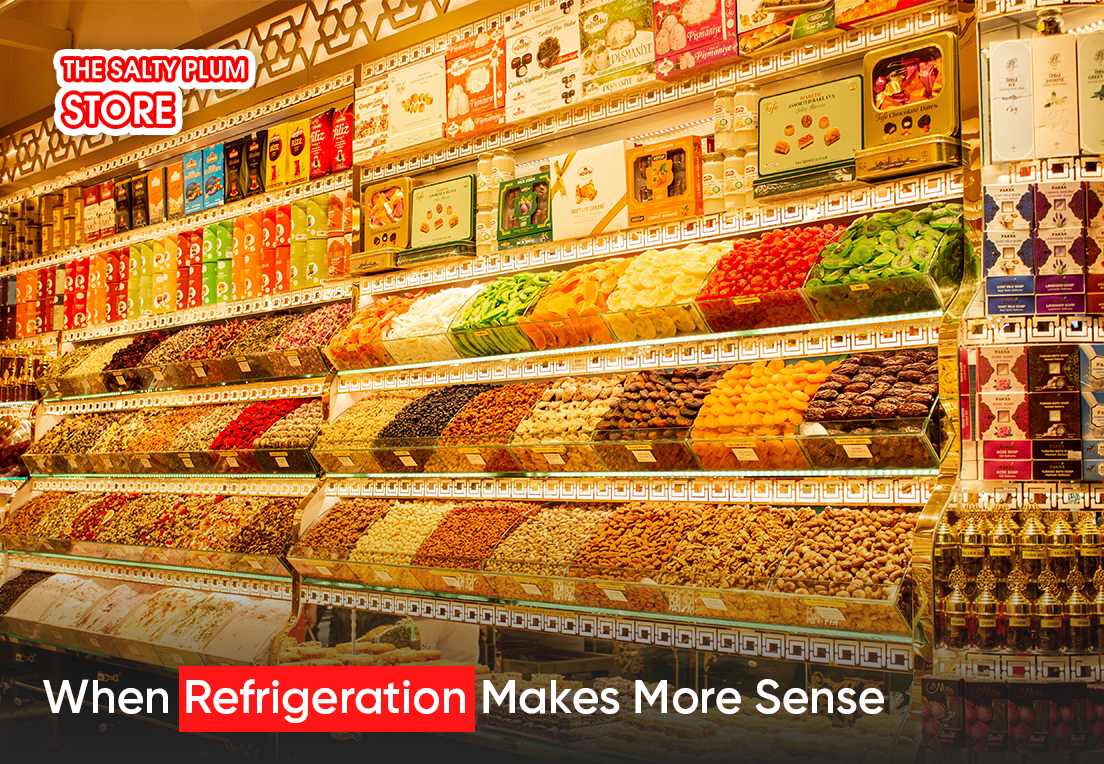
Refrigeration makes more sense when dried fruit has been opened, needs longer storage, or faces warm and humid conditions. Low temperatures can slow quality deterioration, while airtight packaging continues to provide the main barrier against moisture and environmental exposure.
Softer or higher-moisture dried fruit deserves more attention because its texture indicates that it retains more moisture than a very dry product. However, texture alone does not determine whether refrigeration is mandatory, so consumers should still follow the manufacturer’s storage instructions.
A product label should override generic storage advice because manufacturers formulate and package products under different conditions. Some products can remain in a pantry after opening, while others specifically recommend refrigeration to maintain texture and freshness.
When You Can Store Dried Fruit in the Pantry
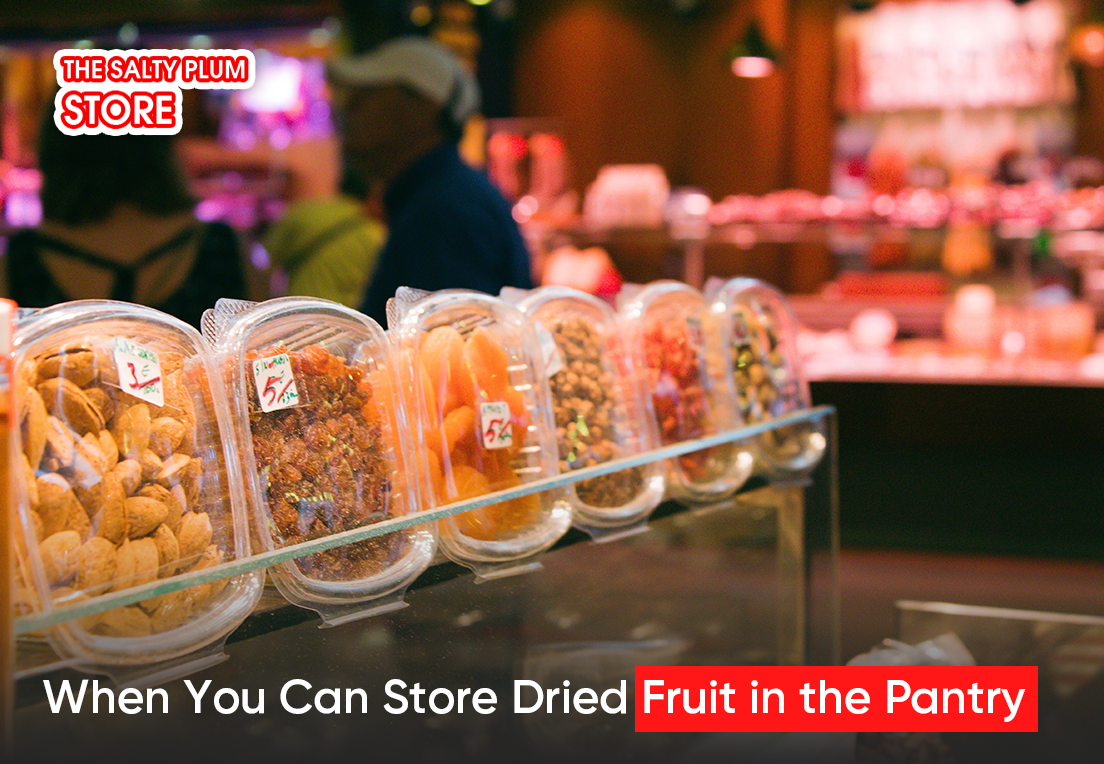
You can store properly dried fruit in the pantry when the product remains dry, well sealed, and protected from heat, light, and moisture. Extension guidance recommends storing dried fruit in cool, dry, dark conditions because these conditions help preserve quality and limit moisture reabsorption.
Properly dried fruit can remain shelf-stable because drying reduces the available water that microorganisms need to grow. Dehydration inhibits microbial growth by removing water, although it does not sterilize the food completely.
Unopened packaging usually provides the strongest protection because sealed packaging limits exposure to air and moisture. Dried foods can remain in an unopened container for about six months at 21–24°C, while the exact shelf life still depends on the product and storage conditions.
Airtight packaging helps dried fruit maintain its texture and quality because sealed containers reduce moisture reabsorption. Recommended containers include glass jars, metal containers, tightly sealed bags, or vapor-proof freezer containers.
For pantry storage, follow these basic practices:
- Keep dried fruit away from heat because higher temperatures can accelerate quality deterioration.
- Keep dried fruit away from direct sunlight because light can contribute to quality loss.
- Use an airtight container after opening because moisture can soften dried fruit and affect its texture.
- Keep storage areas dry because humidity can introduce moisture into the product.
- Follow the best-before date and product instructions because commercial products can have different formulations and packaging.
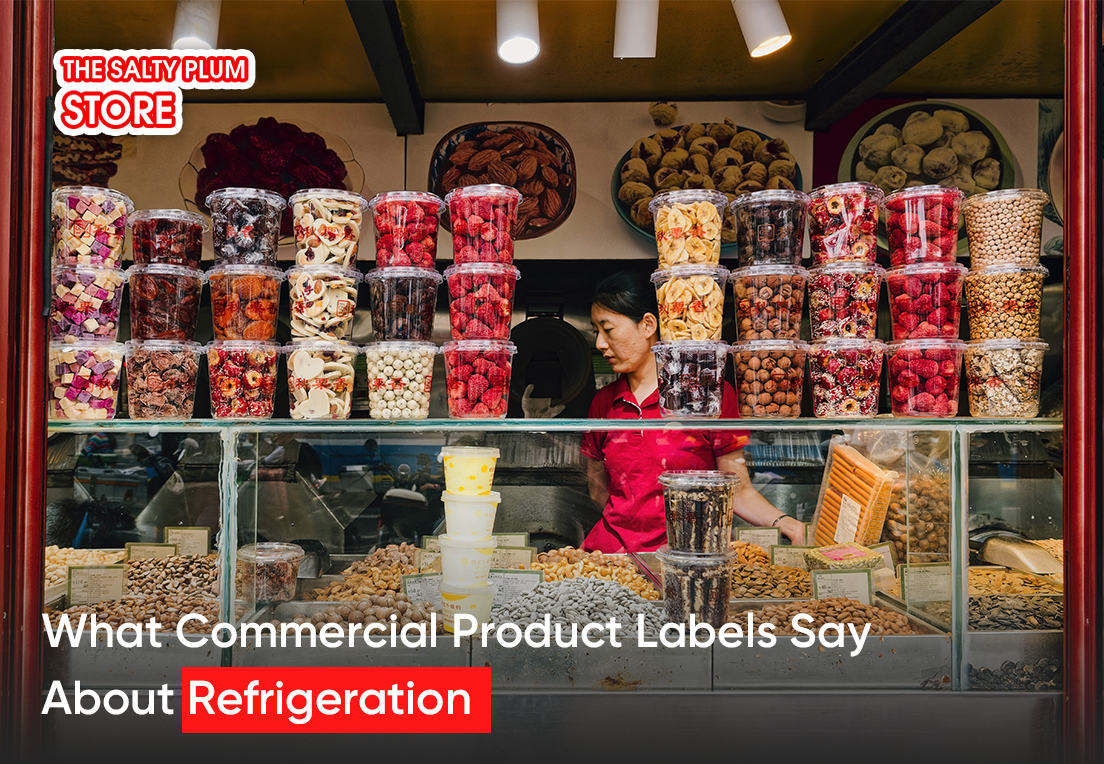
What Commercial Product Labels Say About Refrigeration
These examples demonstrate why consumers should check the specific package instead of applying one storage rule to every dried fruit.
Dried Mango Products
Standard dried mango can remain in a cool, dry place, while refrigeration provides an optional way to maintain freshness for longer. It is best to store the product away from direct sunlight and high temperatures, reseal it or transfer it to an airtight container after opening, and refrigerate it for longer freshness and a firmer texture.
Pickled Mango Products
Pickled mango should be refrigerated after opening to maintain optimal freshness. Store the unopened product in a cool, dry place away from direct sunlight and consume it within a short period after opening.
Preserved Mango Products
Preserved mango typically requires refrigeration after opening because its packaging instructions specifically recommend cold storage to maintain texture and quality. Such products often use tightly sealed packaging and contain ingredients like syrup, acids, or preservatives, illustrating why preserved fruit should not automatically be treated the same way as very dry fruit.
How Long Does Dried Fruit Last?
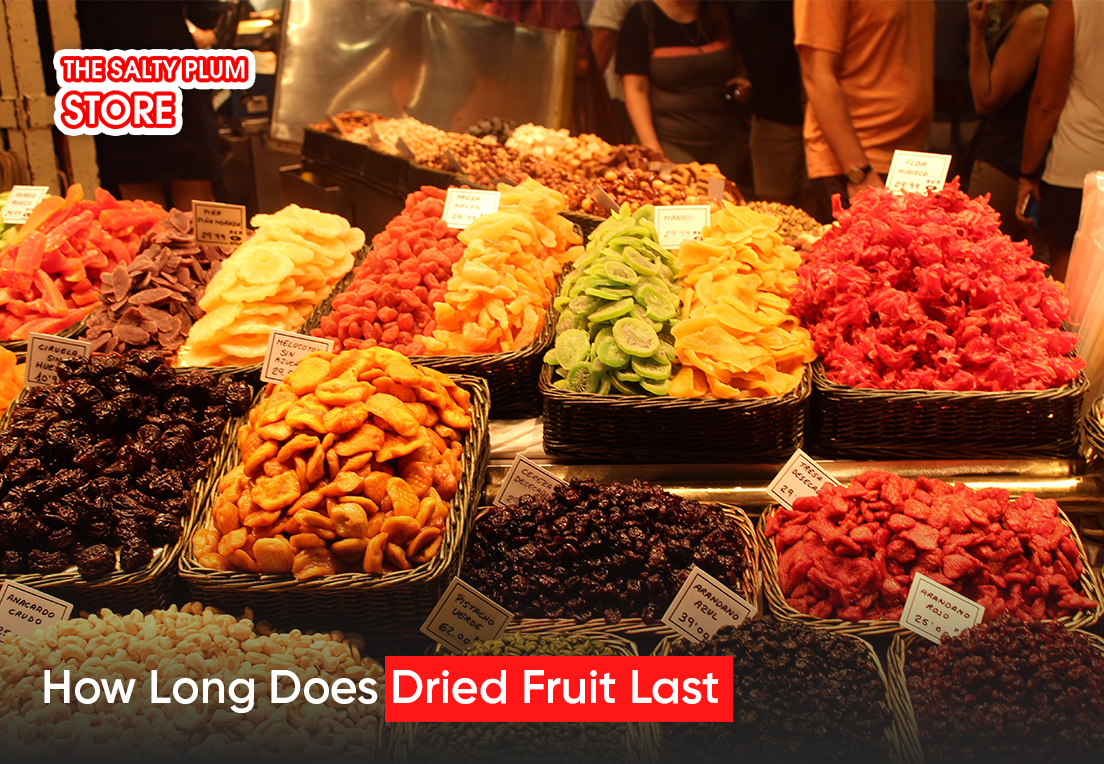
Dried fruit can last for several months under suitable storage conditions, but its exact shelf life depends on moisture, temperature, packaging, processing, and whether the package has been opened.
Pantry Storage
Pantry-stored dried fruit commonly keeps for about 4–12 months when consumers protect it from heat, moisture, light, and air. Storage temperature can shorten or extend this range because higher temperatures accelerate quality deterioration.
Refrigerated Storage
Refrigeration can extend the quality of dried fruit, but it does not create one universal shelf-life period for every product. Airtight packaging remains important in the refrigerator because dried fruit can absorb moisture and odors from its surroundings. Use a sealed container or well-closed package rather than leaving an opened bag exposed inside the refrigerator.
Freezer Storage
Freezing can provide an additional option for long-term storage when dried fruit will not be consumed for an extended period. Moisture-proof packaging protects frozen dried fruit because exposure to moisture can compromise texture during storage and thawing. Divide larger quantities into practical portions so you can open only what you need and minimize repeated exposure to air and moisture.
Most properly dried fruit does not need refrigeration, but refrigeration can help preserve quality when the product has been opened, stored for longer periods, or kept in a warm and humid environment. Pantry storage works well when the fruit stays dry and sealed, while refrigeration becomes more useful when environmental conditions or product instructions call for additional protection