



Properly dried and stored fruit generally keeps good quality for around 6–12 months, although the exact shelf life varies with the type of fruit, temperature, humidity, packaging and whether the package has been opened. This guide explains how long dried fruit typically lasts, what changes after opening, how to store it, when refrigeration helps, and how TSG Gordonvale approaches its range of Asian and tropical dried and preserved fruit.
How Long Does Dried Fruit Last?
Many properly dried fruits can maintain good quality for around 6–12 months under suitable storage conditions. The National Center for Home Food Preservation recommends approximately 1 year at 60°F (16°C) for most dried fruits, while storage at around 80°F (27°C) can reduce the recommended period to approximately 6 months.
The following figures provide useful general guidance rather than a universal expiry date:
|
|
|
|
|
|
|
|
|
|
|
|
|
|
|
|
|
|
USDA guidance gives about 6 months of top quality in the pantry for dried apricots, prunes and raisins. The USDA also notes that tightly sealed refrigeration after opening can preserve quality for additional time, which shows why storage temperature and package condition matter when estimating shelf life.
How Should You Store Dried Fruit?
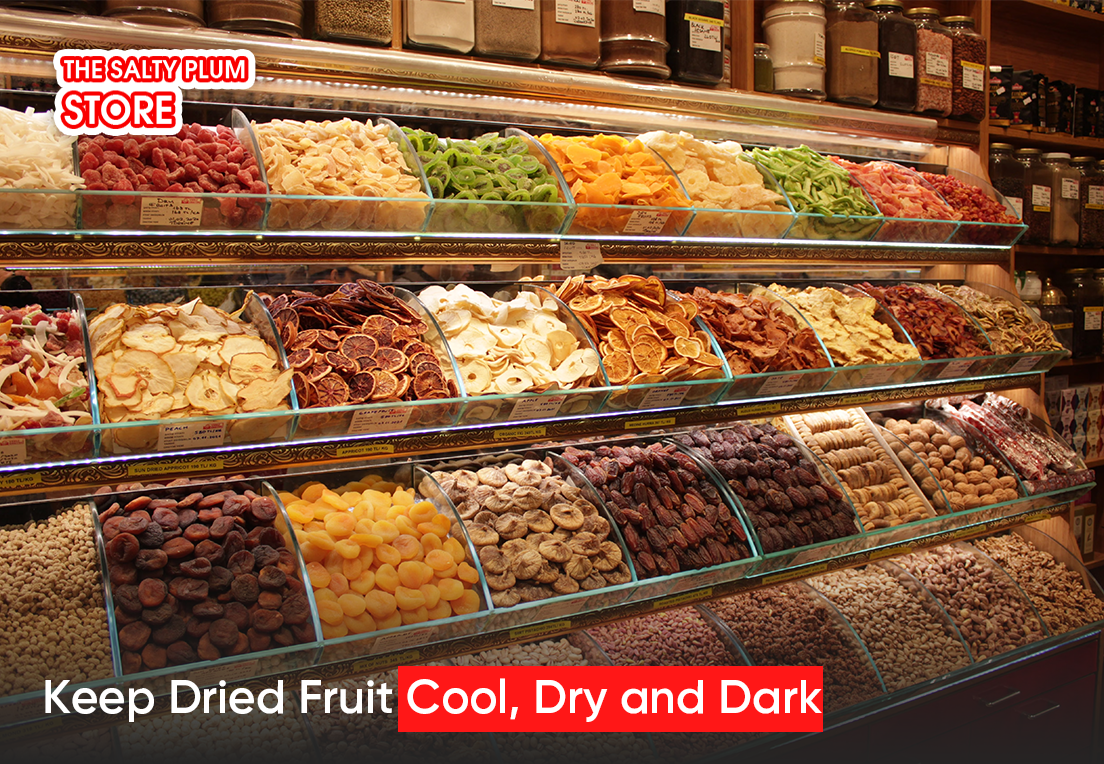
The best storage method keeps dried fruit cool, dry, dark and protected from moisture. The National Center for Home Food Preservation recommends storing dried foods in clean, dry, insect-proof containers and keeping them in a cool, dry and dark location.
Keep Dried Fruit Cool, Dry and Dark
A cool, dry and dark storage area helps dried fruit maintain quality for longer. Direct sunlight, high temperatures and humid conditions can accelerate changes in colour, flavour and texture.
A pantry or cupboard away from cooking appliances can work well when the environment remains dry and reasonably cool. You should also avoid storing dried fruit beside sinks, kettles or other areas where steam and moisture accumulate.
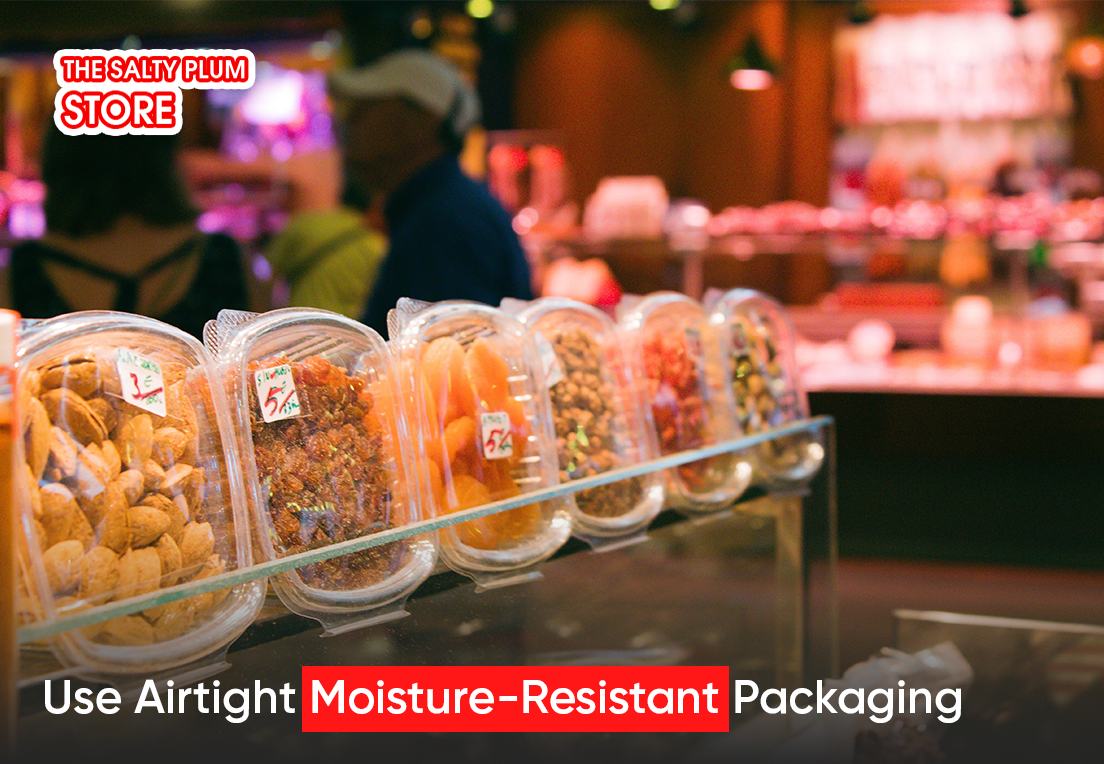
Use Airtight Moisture-Resistant Packaging
Airtight packaging protects dried fruit by limiting exposure to humidity and air. Suitable options include tightly sealed glass jars, plastic food containers, heavy-duty bags and other moisture-resistant packaging.
For larger quantities, smaller sealed portions can preserve quality better because each portion limits repeated exposure to air. This approach can also make bulk purchases more convenient for households, workplaces and food-service use.
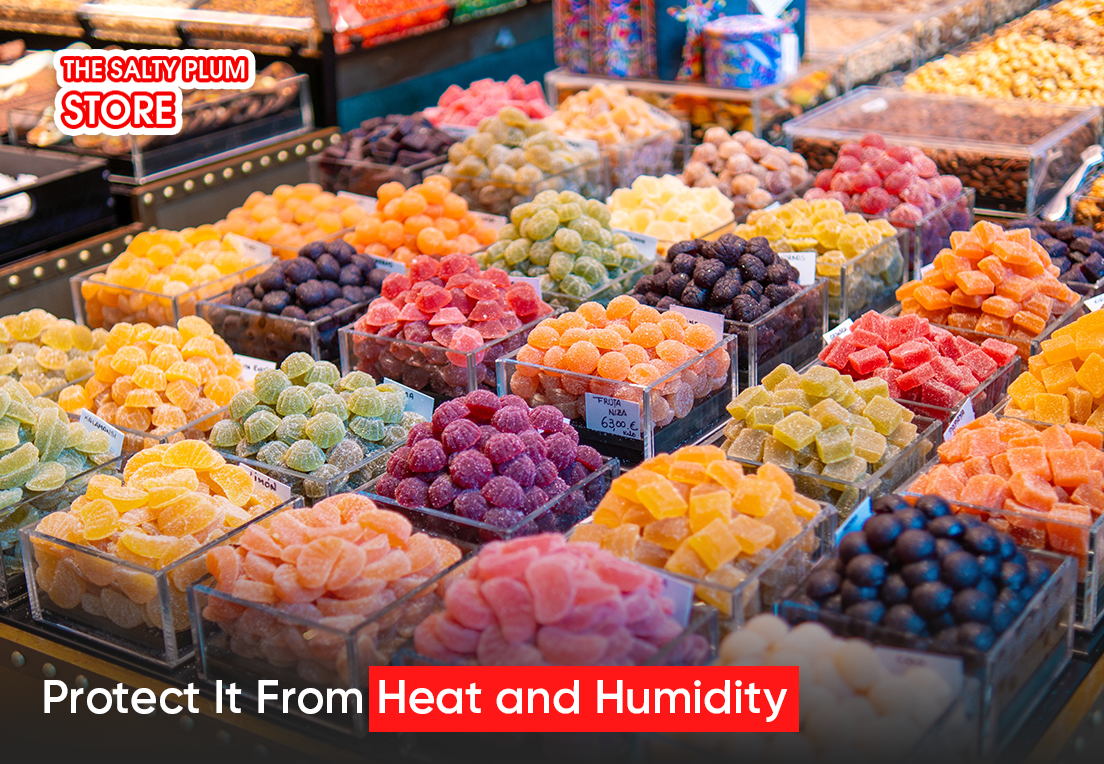
Protect It From Heat and Humidity
Humidity creates a major storage challenge because dried fruit can reabsorb moisture from the surrounding air. Moisture reabsorption can change texture and, when conditions become unsuitable, contribute to mould growth.
You should therefore keep opened dried fruit away from humid areas and reseal it immediately after use. In warm climates, controlling humidity becomes particularly important because higher temperatures can also accelerate quality deterioration.
Does Dried Fruit Need to Be Refrigerated?
Dried fruit does not necessarily need refrigeration when it has been properly dried and stored under suitable pantry conditions. Extension guidance indicates that properly dried foods can generally remain shelf stable when stored correctly, although lower temperatures can help preserve quality.
Refrigeration can become more useful after opening or in hot and humid environments. A refrigerator provides a cooler environment that can help slow quality deterioration, but you should keep the product tightly sealed because condensation and moisture can still affect dried fruit.
Queensland's warm and humid conditions make moisture control especially important for dried fruit storage. For households in tropical or subtropical areas, an airtight container and a cool storage location can help maintain texture and flavour, while refrigeration may be worth considering when the product label recommends it.
Dried Fruit at TSG Gordonvale
TSG Gordonvale offers a broad selection of Asian and tropical dried and preserved fruit for retail and wholesale customers. The range includes dried mango, dried pawpaw, dried tamarind, dried ginger, dried olive and dried prune, alongside salty plums and other preserved fruit products.
Each TSG product can have its own storage requirements because preserved and dried fruit products may contain different ingredients and use different processing methods. Customers should therefore follow the storage directions provided on each product label rather than applying one shelf-life figure to the entire range.
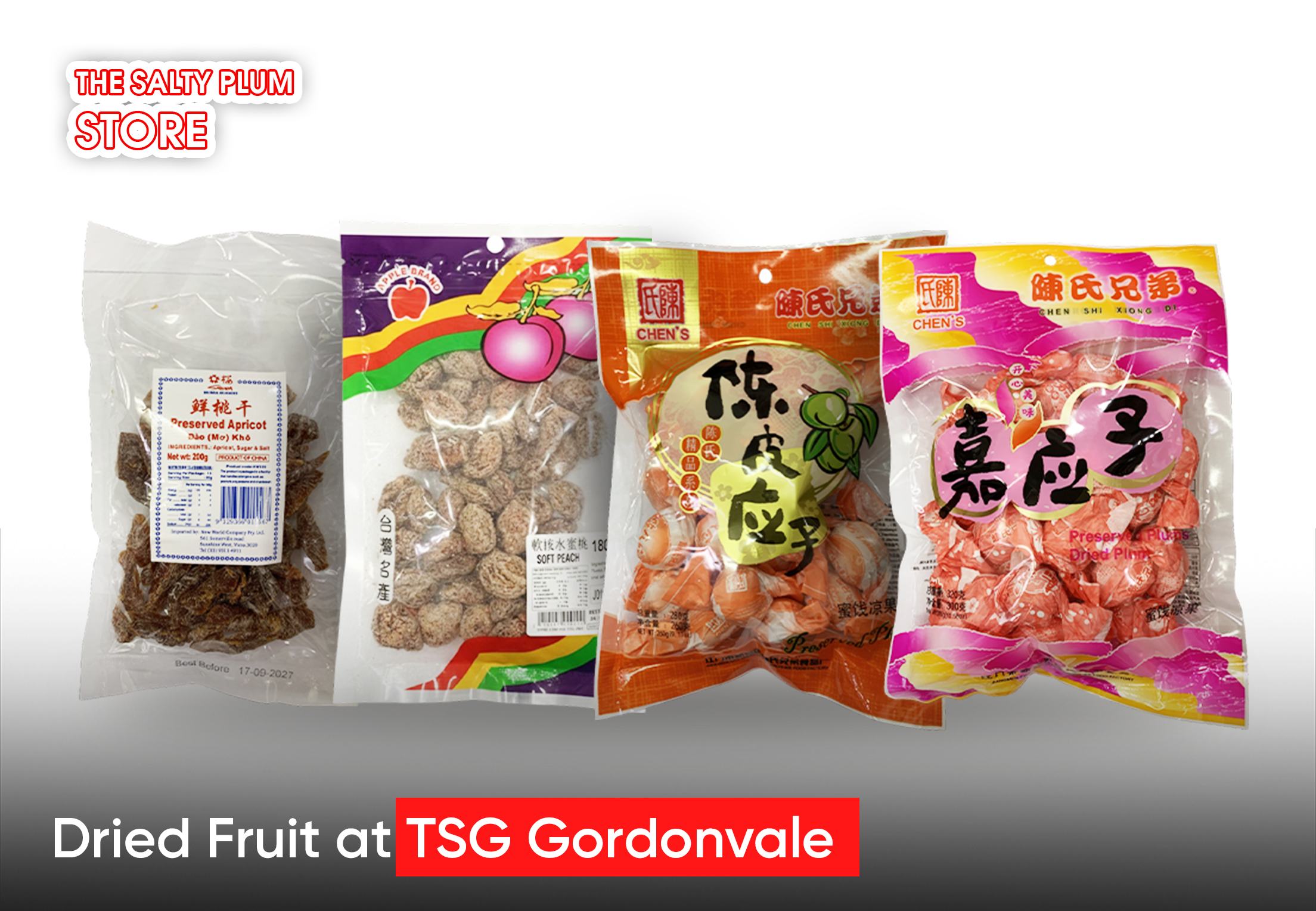
Explore TSG Gordonvale's range of Asian and tropical dried fruits and preserved fruit products for everyday snacking, bulk purchasing and wholesale supply.
The simplest rule is that dried fruit lasts longest when you keep moisture out and follow the storage instructions supplied with the product. Shelf-life estimates can provide useful context, but the actual product, packaging and storage environment determine how long the fruit remains at its best.