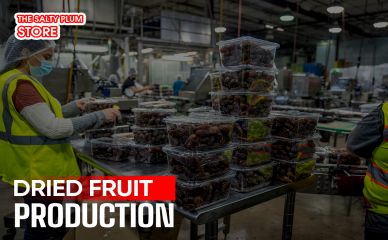




Dried fruit production removes much of the water from fresh fruit through controlled drying, creating a more shelf-stable product while manufacturers manage texture, flavor, color, and food safety. This guide explains the dried fruit production process, the main drying technologies, and the differences between commercial and home drying so readers can understand how fresh fruit becomes a stable dried product.
How Is Dried Fruit Produced?
The dried fruit manufacturing process uses a sequence of preparation, dehydration, quality-control, and packaging operations that manufacturers adapt to each fruit and product specification.
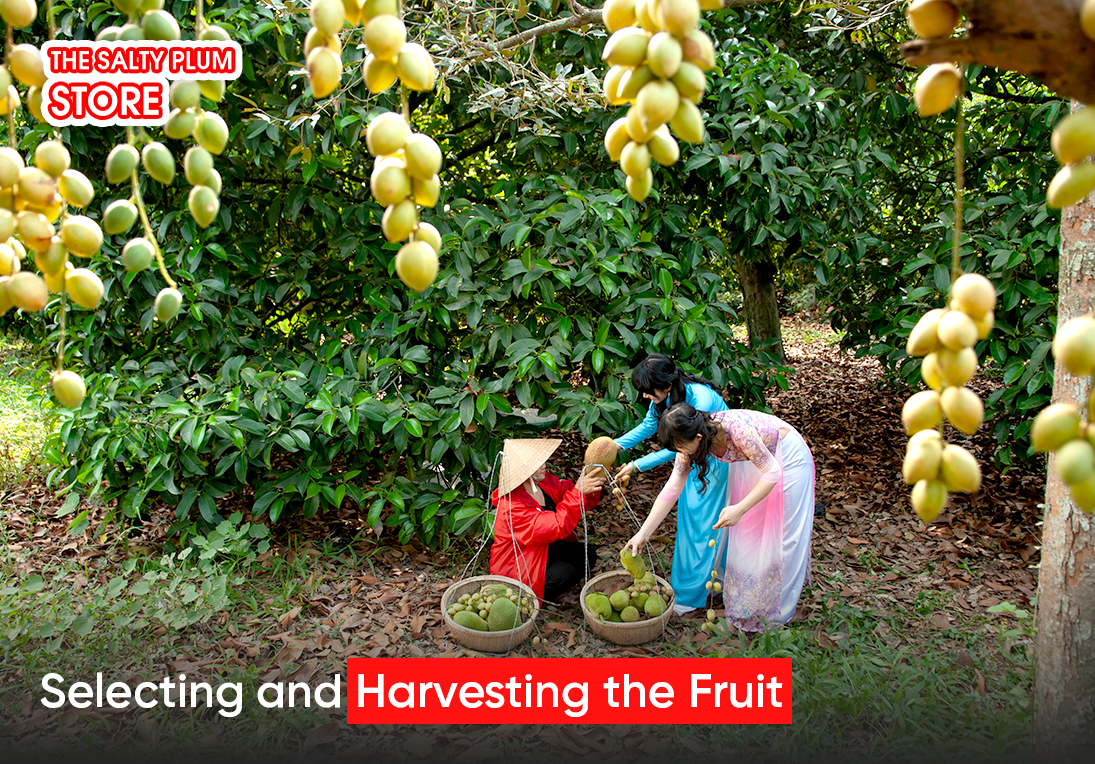
1. Selecting and Harvesting the Fruit
Fruit selection determines the starting quality of the finished dried product because variety, maturity, firmness, moisture content, and defects influence how fruit responds to drying. Manufacturers typically select fruit with suitable maturity and physical quality because overripe, damaged, or diseased fruit can produce inconsistent texture, color, and flavor after processing.
Fruit variety also affects drying behavior because different fruits contain different amounts of water, sugars, acids, fiber, and structural components. Mango, papaya, pineapple, banana, apple, apricot, prune, raisin, date, fig, cranberry, and cherry therefore require different processing conditions rather than one universal drying formula.
2. Sorting and Grading Fresh Fruit
Sorting removes unsuitable fruit and foreign material before processing because damaged or contaminated raw materials can compromise product quality and food safety. Commercial facilities can combine manual inspection with mechanical or optical sorting systems to separate fruit according to size, color, maturity, and visible defects.
Grading creates more uniform batches because similar fruit pieces generally respond more consistently to subsequent processing. Uniform raw material also helps manufacturers control drying conditions because large differences in size or maturity can produce uneven moisture levels.
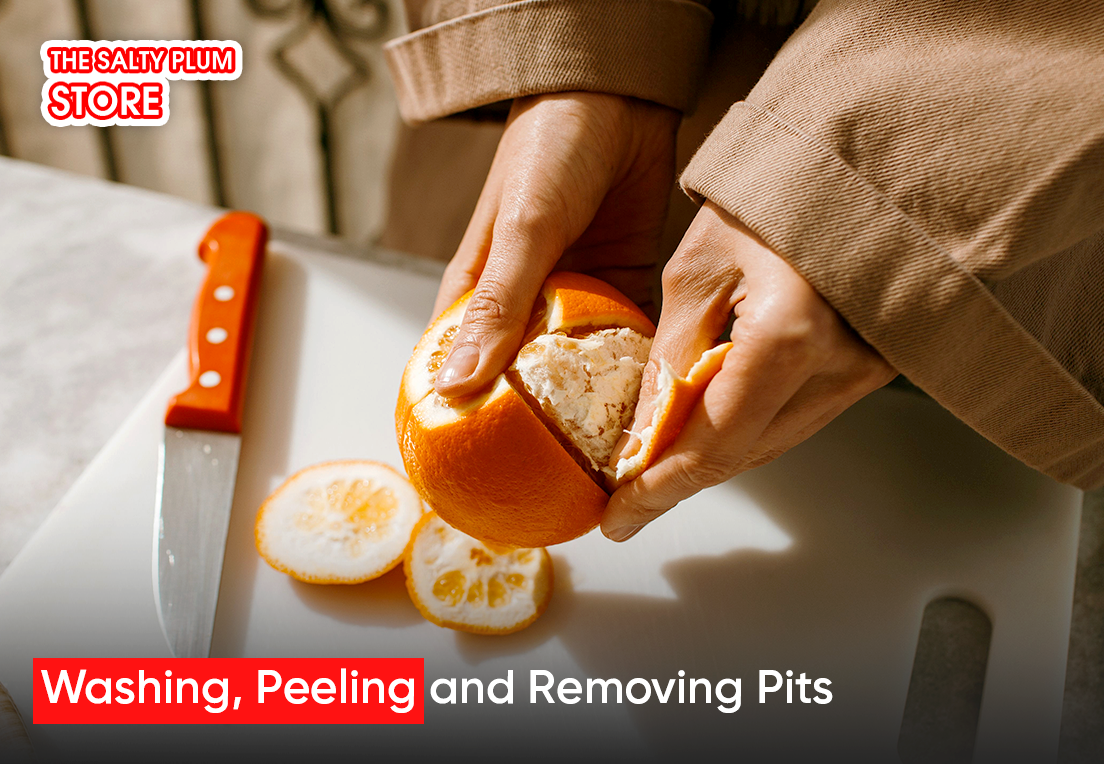
3. Washing, Peeling and Removing Pits
Washing removes soil, debris, and other surface contaminants from fruit before further preparation. Manufacturers choose washing procedures according to the fruit and production system because excessive handling can damage soft fruit while insufficient cleaning can increase contamination risks.
Peeling, pitting, coring, and trimming prepare fruit for efficient drying because these operations remove unwanted structures and create a more consistent product. Producers may peel mangoes, remove apple cores, pit prunes, or remove stems from other fruits depending on the desired finished format.
4. Slicing, Dicing or Preparing Whole Fruit
Cutting controls the surface area and thickness of fruit pieces, so piece dimensions directly influence drying rate and final texture. Thin slices generally release moisture faster than thick pieces because moisture travels a shorter distance before reaching the surface.
Manufacturers may also process some fruits as whole pieces when the fruit structure and product specification allow it. Raisins, dates, figs, and certain small fruits can retain their overall form, although producers may use skin treatments or other preparation techniques to facilitate moisture removal.
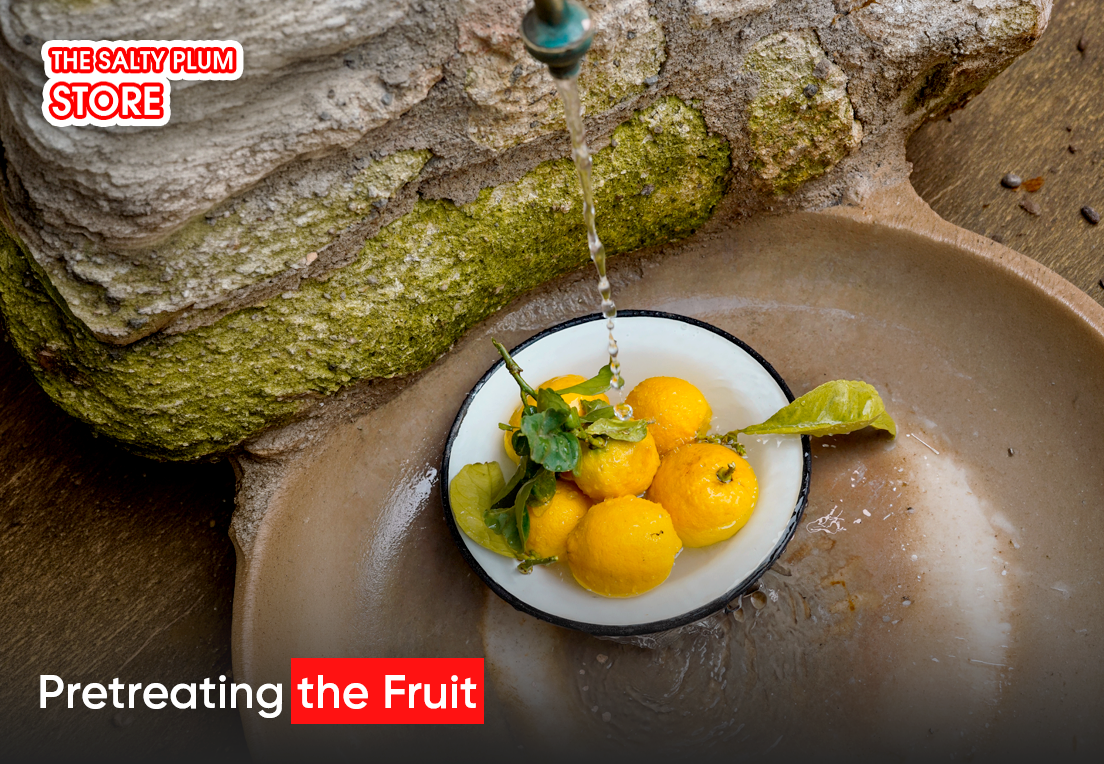
5. Pretreating the Fruit
Pretreatment prepares fruit for drying by reducing browning, improving color retention, modifying texture, or changing moisture-transfer behavior. Producers can use ascorbic acid, citric acid, sulfites, blanching, or osmotic dehydration depending on the fruit, processing objective, and applicable product requirements.
Sulfite treatment can help control enzymatic browning in some dried fruits, while acid solutions can reduce discoloration in susceptible fruits. Pretreatment does not follow one universal formula because manufacturers select treatments according to fruit characteristics, desired appearance, regulatory requirements, and product specifications.
6. Drying the Fruit
Drying removes water from prepared fruit by transferring heat to the product and moving moisture away from its surface. Commercial systems control variables such as temperature, airflow, relative humidity, drying time, and product loading because these factors determine how efficiently moisture moves through the fruit.
The dried fruit manufacturing process therefore depends on controlled moisture removal rather than simply exposing fruit to heat. Manufacturers monitor the drying endpoint because excessive drying can create undesirable texture and quality losses, while insufficient drying can leave excessive moisture and reduce product stability.
What Drying Methods Are Used in Dried Fruit Production?
Modern dried fruit processing uses several drying technologies because different fruits and product specifications require different combinations of heat transfer, moisture removal, energy efficiency, and quality control.
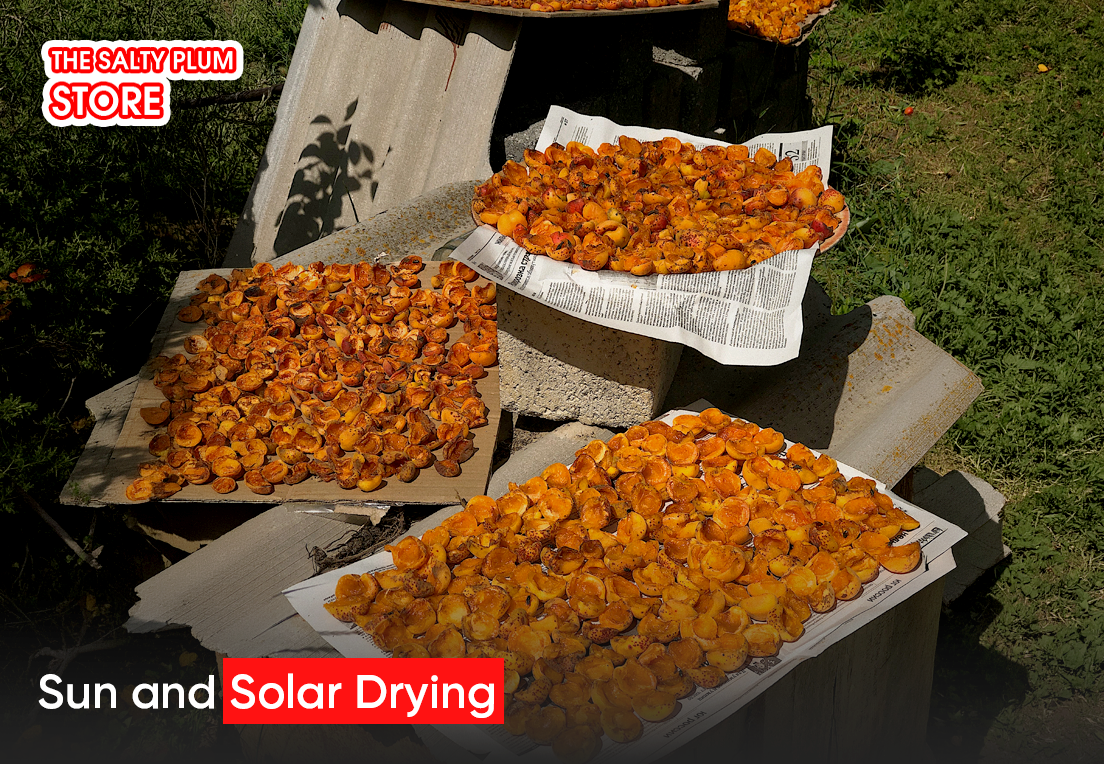
Sun and Solar Drying
Sun drying uses natural solar heat to remove moisture from fruit, making it one of the oldest dehydration methods. Producers can dry suitable fruits outdoors under favorable climatic conditions, but weather, humidity, temperature fluctuations, insects, dust, and hygiene can affect process consistency.
Solar drying can improve control over traditional open-air drying when enclosed solar dryers regulate airflow and protect products from environmental contamination. Climate therefore remains an important consideration because sunlight and ambient conditions directly influence drying performance.
Hot-Air, Tray and Tunnel Drying
Hot-air drying uses heated air to transfer energy to fruit while the moving air carries evaporated moisture away from the product. Tray and cabinet dryers normally process batches, whereas tunnel and conveyor systems can support larger-scale or continuous production.
Air temperature, velocity, and relative humidity control the drying environment because these variables influence the driving force for moisture migration. Industrial hot-air systems therefore provide greater process control than uncontrolled outdoor drying and can produce consistent results across large batches.
Heat-Pump Drying
Heat-pump drying recirculates and dehumidifies air to create a controlled drying environment with potentially improved energy efficiency. The technology can regulate temperature and humidity more precisely than many conventional systems, which can help manufacturers manage product quality while reducing dependence on ambient conditions.
Heat-pump systems can suit products that require relatively controlled, lower-temperature drying because the technology separates moisture removal from simple high-temperature heating. Actual energy performance depends on equipment design, operating conditions, fruit characteristics, and system configuration.
Vacuum Drying
Vacuum drying removes moisture under reduced pressure, which can enable water removal at lower temperatures than some atmospheric drying systems. The approach can help manufacturers process heat-sensitive products because lower operating temperatures can reduce certain heat-related quality changes.
Vacuum systems require specialized chambers and pressure-control equipment, so manufacturers generally select them when the potential quality benefits justify greater equipment complexity and operating costs.
Freeze-Drying
Freeze-drying removes frozen water through sublimation, which means ice changes directly into vapor under vacuum rather than passing through a liquid stage. The process normally involves freezing the fruit, placing it under vacuum, and supplying controlled energy for primary and subsequent drying stages.
Freeze-dried fruit can retain a distinctive shape, porous structure, and crisp texture because the frozen structure limits some forms of collapse during moisture removal. Commercial freeze-drying requires specialized equipment and usually consumes more energy than simpler dehydration methods, making product requirements an important factor in technology selection.
Microwave, Infrared and Hybrid Drying
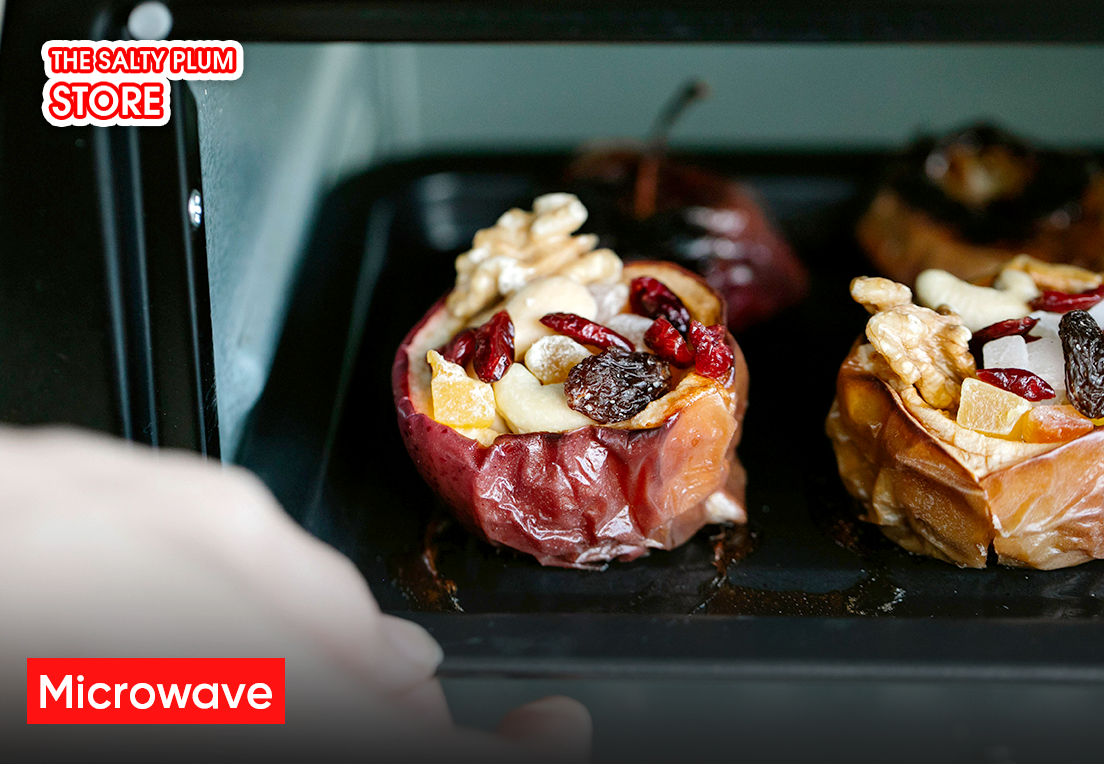
Microwave and infrared systems supply energy through mechanisms that differ from conventional hot-air heating, while hybrid systems combine technologies to improve drying performance. Researchers and manufacturers continue to investigate these approaches because faster moisture removal and better energy management can potentially improve industrial efficiency.
Hybrid drying can combine methods such as hot air with microwave, infrared, vacuum, or other technologies because each method can address different limitations in heat and mass transfer. These technologies remain more specialized than conventional hot-air systems, so commercial adoption depends on equipment cost, product requirements, and process economics.
How Is Commercial Dried Fruit Production Different From Home Drying?
Commercial dried fruit production differs from home dehydration mainly through its scale, process control, measurement, food-safety systems, and traceability requirements.
|
|
|
|
|
|
|
|
|
|
|
|
|
|
|
|
|
|
|
|
|
|
|
|
|
|
|
|
|
|
|
|
|
|
|
|
|
|
|
|
Commercial facilities use standardized equipment and documented procedures because manufacturers must produce consistent products across repeated batches. Industrial lines can integrate washing, sorting, cutting, drying, inspection, weighing, and packaging equipment to improve production efficiency and process consistency.
Home dehydration usually relies on simpler equipment and sensory checks, while commercial facilities can measure moisture content and water activity with dedicated instruments. Water activity provides important information about the availability of water for microbial growth and chemical reactions, so manufacturers can use it alongside moisture measurements when establishing product specifications.
In summary, dried fruit production transforms fresh fruit into a more shelf-stable product through controlled preparation, dehydration, quality testing, and packaging. The most suitable drying method depends on the fruit, desired texture, production scale, energy requirements, and quality specification, while commercial manufacturing adds measurement, food-safety controls, traceability, and specialized equipment that home drying generally does not provide