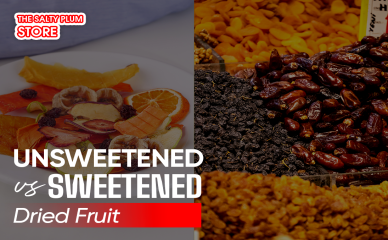




Unsweetened vs Sweetened Dried Fruit still contain natural fruit sugars, and drying concentrates those sugars because the process removes most of the fruit’s water. Unsweetened dried fruit contains no added sweetener, while sweetened dried fruit contains sugar, syrup, or another sweetening ingredient added during processing.
This guide compares their ingredients, taste, texture, sugar content, common examples, and practical uses so you can choose dried fruit based on your own preferences and dietary needs.
|
|
|
|
|
|
|
|
|
|
|
|
|
|
|
|
|
|
|
|
|
|
|
|
|
|
|
|
|
|
|
|
Unsweetened vs Sweetened Dried Fruit for Taste and Texture
Unsweetened and sweetened dried fruit can differ noticeably in flavour, texture, sweetness, and ingredient composition, although the exact characteristics depend on the fruit and processing method.
|
|
|
|
|
|
|
|
|
|
|
|
|
|
|
|
|
|
|
|
Unsweetened dried fruit preserves the fruit’s natural flavour because the manufacturer does not add sugar or another sweetener during processing. Some varieties taste naturally sweet, while tart fruits can retain a noticeable sour or tangy flavour after drying.
Sweetened dried fruit delivers a sweeter flavour because manufacturers add sugar, syrup, or another sweetening ingredient during processing. This approach can make naturally tart fruit more palatable and can also create a softer, stickier, or glossier texture in some products.
The texture does not follow one universal rule because fruit variety, moisture level, drying method, and formulation all influence the finished product. Therefore, consumers should treat texture descriptions as general tendencies rather than fixed characteristics.
Natural Sugar vs Added Sugar in Dried Fruit
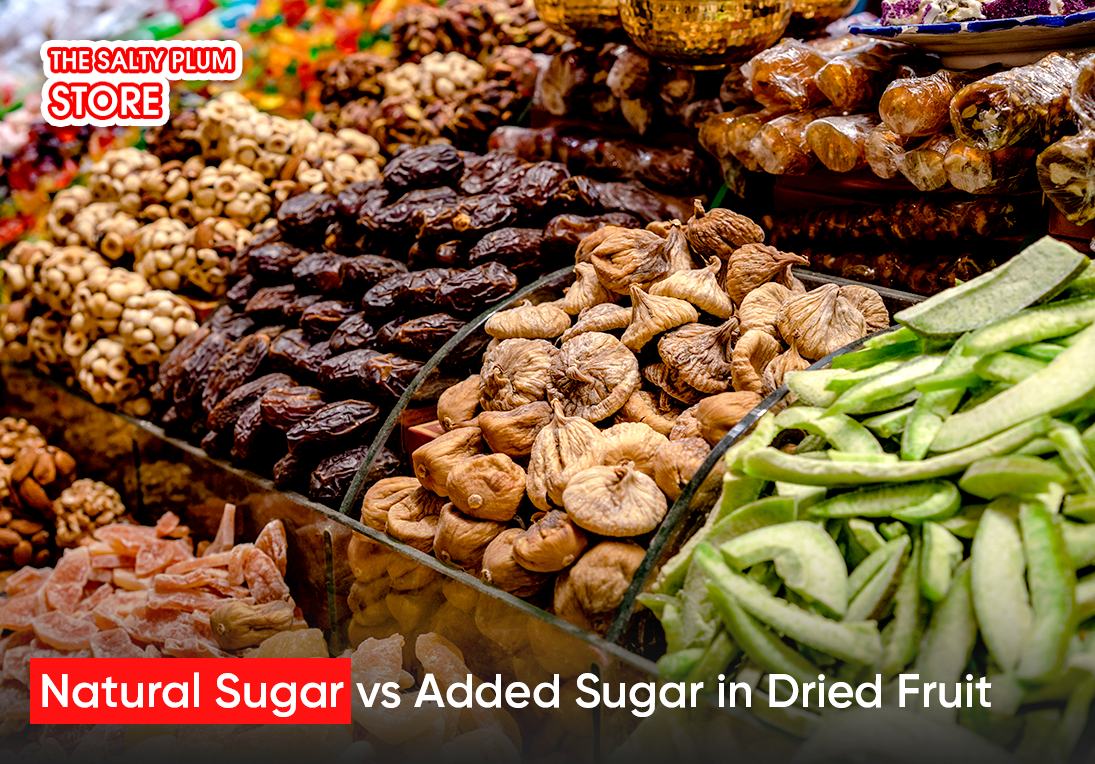
Dried fruit contains concentrated natural sugar because the drying process removes water while leaving most of the fruit’s natural carbohydrates behind. Health experts explain that drying concentrates naturally occurring sugars and calories, which makes dried fruit much more compact than fresh fruit.
Fresh fruit contains more water, while dried fruit contains less water, so the same weight of dried fruit can contain considerably more concentrated sugar. This concentration does not mean that the drying process creates new sugar; it means the product contains less water relative to the remaining fruit solids.
Sweetened dried fruit does not necessarily show a higher total-sugar figure in every comparison because fruit variety, moisture content, formulation, and serving size can change the final nutrition profile. Added sugar increases the product’s added-sugar content, but total sugar reflects both naturally occurring and added sugar.
For this reason, shoppers should compare products using the per 100g values, then consider the serving size, rather than judging a product only by the words “sweetened” or “unsweetened.”
How to Tell If Dried Fruit Has Added Sugar
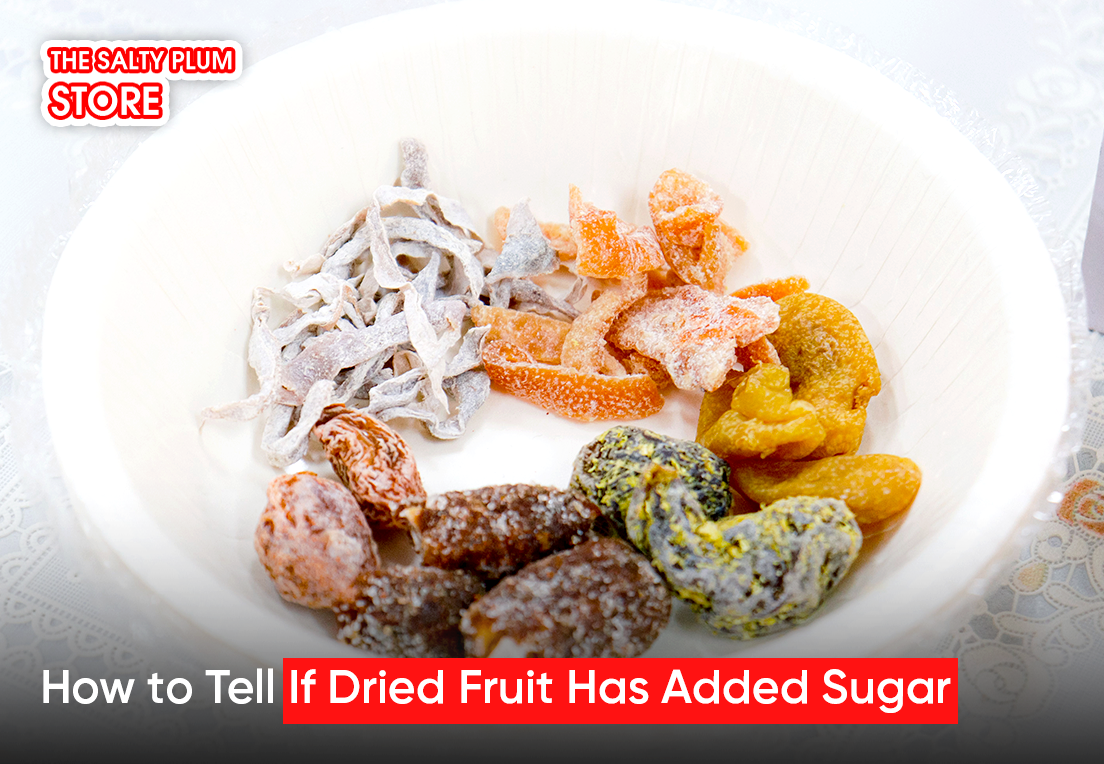
The ingredient list provides the clearest way to identify whether a particular dried fruit product contains an added sweetener.
Check the Ingredient List
The ingredient list identifies added sugar when it includes ingredients such as sugar, cane sugar, glucose syrup, honey, or concentrated fruit juice used as sweetening ingredients. FDA guidance defines added sugars to include sugars added during food processing, as well as sugars from syrups, honey, and certain concentrated fruit or vegetable juices.
A dried mango product that lists mango and cane sugar, for example, contains added sugar even though mango itself naturally contains sugar. Some commercial dried mango products list mangoes, cane sugar, sodium metabisulfite, and confectioner’s sugar among their ingredients, illustrating why shoppers should inspect the actual product label.
Check the Nutrition Information Panel
Standard Nutrition Information Panels show energy, protein, fat, saturated fat, carbohydrate, sugars, and sodium, with values provided per serving and per 100g.
The “sugars” value on a standard nutrition panel includes both naturally occurring and added sugar, so consumers should use the ingredient list alongside the panel when checking for added sweeteners.
Don’t Confuse “No Added Sugar” With “Sugar-Free”
“No added sugar” does not mean sugar-free because a product can contain substantial natural sugar from fruit even when manufacturers add no sugar. Food standards authorities specifically note that foods carrying a no-added-sugar claim can still contain high levels of naturally occurring sugars.
How to Choose Between Unsweetened and Sweetened Dried Fruit
The right choice depends on your priorities because unsweetened and sweetened dried fruit serve different taste and ingredient preferences.
- Choose unsweetened when you want to avoid added sugar: Check the ingredient list and look for products without added sweeteners.
- Choose sweetened when you prefer a sweeter flavour: Added sugar can create a more pronounced sweetness and balance naturally tart fruits.
- Choose unsweetened for baking when you want more control: Unsweetened dried fruit lets you decide how much additional sweetness goes into a recipe.
- Check cranberry ingredients carefully: Many dried cranberry products contain added sugar because cranberries naturally have a tart flavour.
- Compare products by nutrition values: Compare the NIP per 100g first, then consider the serving size and ingredient list.
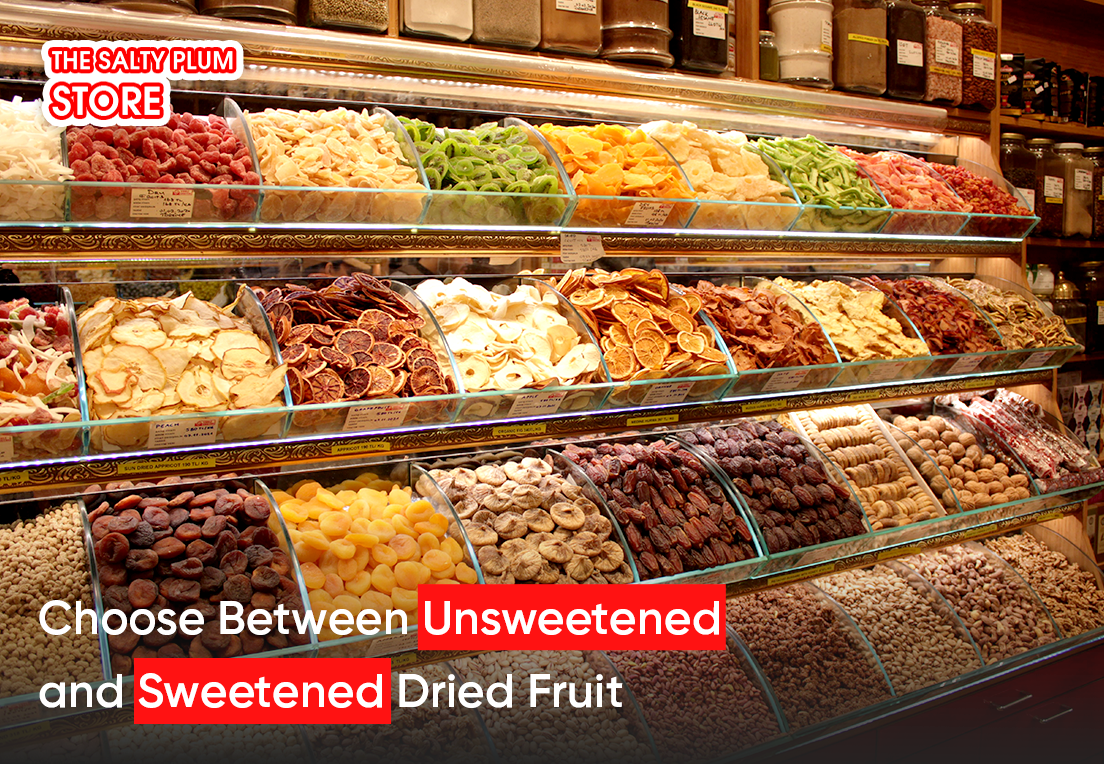
Understanding the difference between unsweetened and sweetened dried fruit helps you choose products that match your preferences and dietary needs. Unsweetened dried fruit still contains natural fruit sugars, while sweetened varieties contain additional sugars or sweeteners added during processing. When shopping, check the ingredient list, sugar content per 100 g, and serving size rather than relying on the product name alone