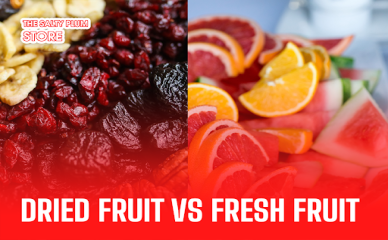




Fresh fruit and dried fruit both come from the same basic ingredient, but they are very different once most of the water has been removed. Fresh fruit contains more water and usually has a larger volume, while dried fruit is smaller, more concentrated and easier to store.
So, is dried fruit healthier than fresh fruit? Not necessarily. Neither option is automatically better in every situation. The right choice depends on what you are looking for, including hydration, portion size, energy density, convenience and how the fruit fits into your daily routine.
|
|
|
|
|
|
|
|
|
|
|
|
|
|
|
|
|
|
|
|
|
|
|
|
|
|
|
|
|
|
|
|
|
|
|
|
|
|
|
|
|
|
|
|
|
|
|
|
|
|
|
|
|
|
|
|
Dried Fruit vs Fresh Fruit: What's the Difference?
The biggest difference between fresh fruit and dried fruit is surprisingly simple: water.
Fresh fruit naturally contains a significant amount of water. When fruit is dried, much of that water is removed, leaving a smaller and more concentrated product. This changes the fruit's size, texture, flavour, shelf life and the amount of calories and natural sugar found in a given weight of food.
Drying does not simply “remove the healthy parts” of fruit. Many components remain in the food, including fibre and minerals. However, some nutrients are affected by the drying method and conditions. Heat and processing can reduce certain heat-sensitive compounds, including vitamin C, while changes in other plant compounds can vary depending on the fruit and drying process.
This is why fresh and dried fruit should not be compared only by looking at one nutrient. The more useful question is how the whole food fits into your diet and how much you are eating.
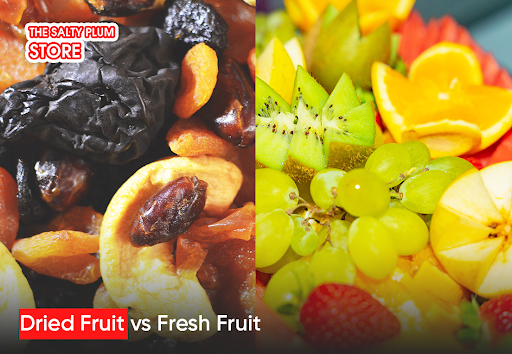
Dried Fruit vs Fresh Fruit Nutrition Comparison
Fresh and dried fruit can both provide fibre, vitamins, minerals and other naturally occurring plant compounds. The major nutritional difference comes from the amount of water remaining in the food.
It is important to distinguish between the same weight of food and a typical serving. A 100g portion of dried fruit contains far less water than 100g of fresh fruit, so the nutrients, natural sugars and calories are more concentrated.
|
|
|
|
|
|
|
|
|
|
|
|
|
|
|
|
|
|
|
|
|
|
|
|
|
|
|
|
|
|
|
|
|
|
|
|
|
|
|
|
Why Choose Dried Fruit from TSG Gordonvale?
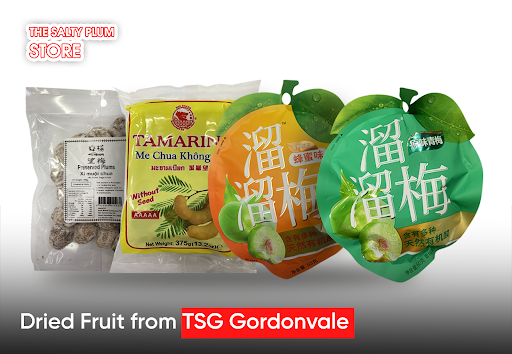
If you are looking to explore more than the usual raisins and dried apricots, TSG Gordonvale offers a broad selection of Asian and tropical dried and preserved fruit.
The range includes dried mango, dried pawpaw, dried tamarind, dried ginger, dried olive and dried prune, alongside a variety of preserved fruit and Asian snacks.
Located in Gordonvale, Queensland, TSG serves local customers around Gordonvale and Cairns while also offering products for customers across Queensland and Australia.
Whether you are looking for a convenient snack, ingredients for cooking or simply want to discover different Asian and tropical fruit flavours, exploring different types of dried fruit can be an easy way to add variety to your pantry.
Choosing between dried fruit and fresh fruit does not have to be an either-or decision. Fresh fruit offers water, volume and a naturally refreshing option, while dried fruit provides a more compact, convenient way to enjoy familiar and less common fruit varieties.
The best choice depends on how you plan to eat it, the portion size and the product ingredients. By understanding the differences between dried fruit vs fresh fruit, you can choose the option that best fits your everyday needs - and enjoy more variety along the way.
Ready to discover more than the usual dried fruit? Explore TSG Gordonvale’s range of Asian and tropical dried and preserved fruits, from dried mango and pawpaw to tamarind, ginger, olive and prune.