



Preserved fruits like dried mango, dried tamarind, and salty plum are only as good as the way they're stored afterward. In Far North Queensland's tropical climate, humidity is the biggest threat to texture and getting storage wrong is the fastest way to turn a chewy snack from TSG Gordonvale into something either rock-hard or unpleasantly sticky.
Why Queensland's Humidity Affects Preserved Fruit
Preserved fruit relies on a careful moisture balance. Sugar-coated products like dried mango and sweetened tamarind, and salt-coated products like salty plum, are naturally hygroscopic meaning the sugar or salt on the surface actively draws moisture out of the air around it. In a dry climate this isn't a problem, but Far North Queensland's humidity regularly sits well above the level food safety guidelines consider ideal for dry storage.
Official government guidance from Food Standards Australia New Zealand advises against storing food in warm or humid areas or in direct sunlight, since these conditions can spoil food or shorten its usable life. That guidance applies directly to preserved fruit kept in a Queensland kitchen, where humidity and heat are both working against the product from the moment the packaging is opened.
Common Storage Mistakes That Dry Out or Melt Preserved Fruit
The most common mistake is leaving an opened bag loosely folded rather than properly resealed. Once the airtight seal is broken, humid air moves in and out of the bag every time the kitchen door opens or the air conditioning cycles, gradually softening sugar coatings into a sticky, wet layer or, in drier air-conditioned rooms, drawing moisture out of the fruit until it turns hard.
A second common issue is storing preserved fruit near a stove, window, or anywhere that receives direct sunlight. Heat accelerates moisture movement in both directions, and according to the National Center for Home Food Preservation, dried foods that are packaged seemingly bone-dry can still spoil if moisture is reabsorbed during storage. This applies just as much to a bag of dried tamarind left on a sunny kitchen bench in Gordonvale as it does to any home-dried fruit.
Step-by-Step Guide to Keeping Preserved Fruit Fresh
Reseal the Packaging After Every Use
After opening a bag of dried mango, dried tamarind, or salty plum, press out as much air as possible before resealing the zip-lock. Removing air reduces the amount of moisture that can enter the bag between uses, which matters more in Queensland's climate than in drier parts of the country.
Move Fruit into an Airtight Container
For fruit that will be eaten over several weeks, transferring it into a hard airtight container adds a second barrier against humidity on top of the original packaging. Glass or food-grade plastic containers with a tight-fitting lid work well and make it easy to see if any condensation has formed inside.
Store Away from Sunlight and Heat
Store preserved fruit in a cupboard or pantry rather than on an open bench, and keep it away from the stove, oven, or any window that gets direct afternoon sun. A cool, dark spot slows the moisture exchange that causes both hardening and stickiness.
Refrigerate During the Wet Season
During the wettest and most humid months, moving opened packs of preserved fruit into the refrigerator gives an extra layer of protection against moisture in the air. This isn't necessary for unopened, sealed packaging, but it can noticeably extend how long an opened bag stays in good condition once the humidity climbs.
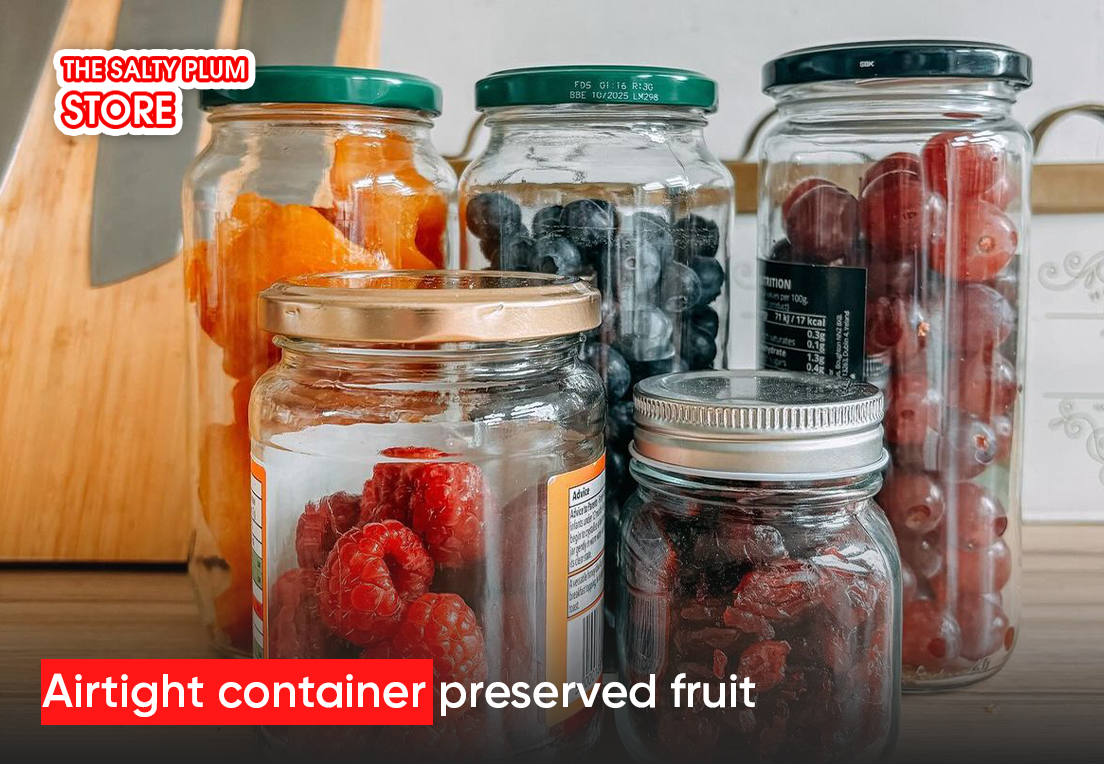 Airtight container preserved fruit
Best Preserved Fruit Products to Stock at Home
Not all preserved fruit behaves the same way in storage, so it helps to know what to expect from each product before deciding how to store it. Dried mango's sugar coating draws moisture quickly once opened, so it needs a tight reseal after every use. Dried tamarind has a naturally sticky texture, and storing it in a hard container helps stop the pieces from fusing together in warm weather. Salty plum's salt coating is highly hygroscopic, so refrigerating it during the humid months gives the best texture.
For a closer look at how salty plum is produced and why it behaves the way it does in storage, the Ultimate Guide to Seedless Salty Plums covers the process in more detail. Anyone stocking up on tamarind for the first time can also read the Tamarind Snacks in North Queensland guide before deciding how much to buy at once.
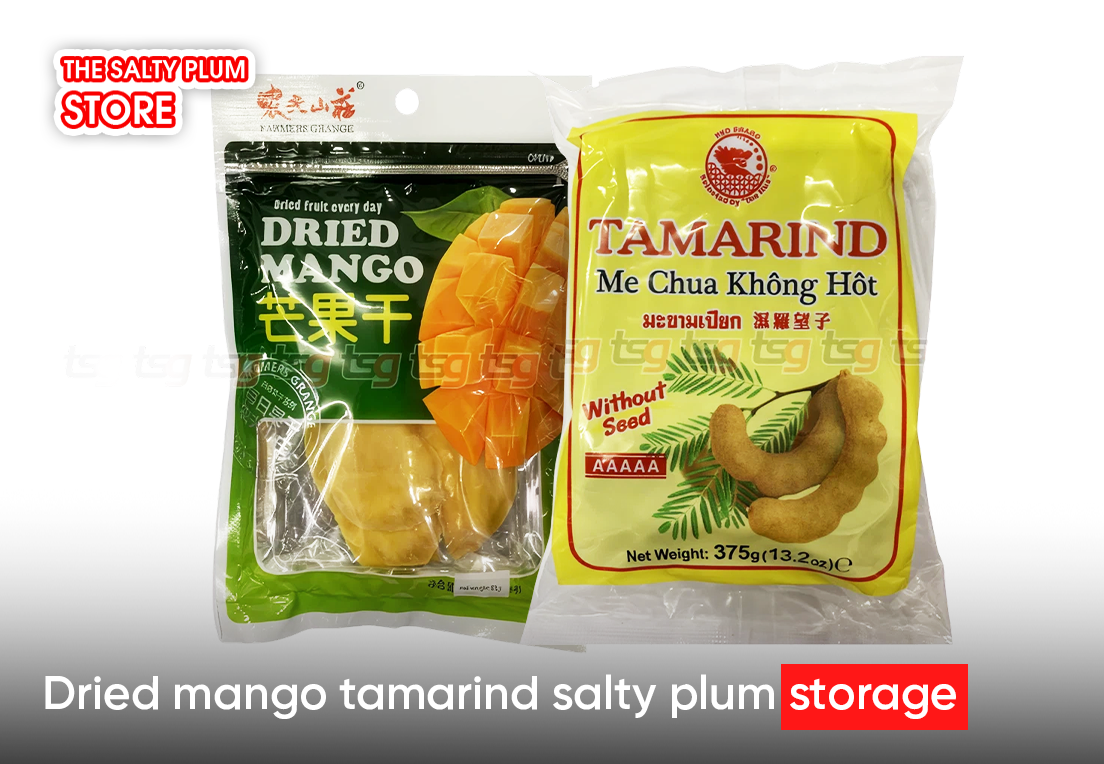 Dried mango tamarind salty plum storage
Storing preserved fruit correctly in Queensland's climate comes down to three things: an airtight seal, a cool dark spot, and refrigeration during the wettest months. TSG Gordonvale stocks dried mango, dried tamarind, and salty plum ready to try these storage steps at home browse the full product catalogue or visit the Gordon Street store to pick up a fresh bag.
For more detailed information and to order products, please contact:
- Store address: 60 George Street, Gordonvale, QLD 4865, Australia.
- Support phone number: +61 7 4056 1234.
Related Article:
The Mid-Year Snack Stock Up: Best Bulk Deals at TSG Gordonvale
What Defines the Top Rated Dried Fruit Brands in Australia?
First Time Trying Salty Plum: Flavor Characteristics