



Dried fruits can be part of a nutritious diet when you choose suitable products and control portions. The drying process removes most of the water, which concentrates natural sugars, calories, fiber, and minerals into a smaller volume. This guide explores 10 healthy dried fruits, including prunes, apricots, figs, raisins, dates, mango, apples, pears, cherries, and cranberries, while explaining what to look for when choosing dried fruit.
1. Prunes
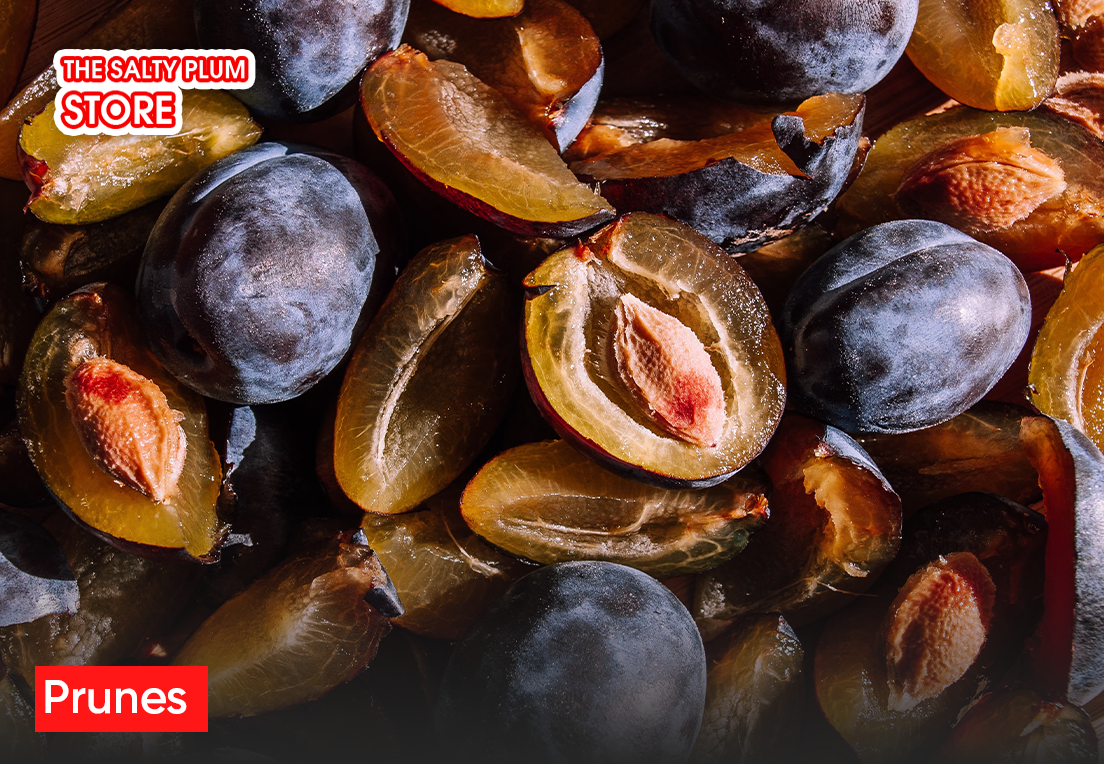
Prunes are one of the most nutrient-dense dried fruits because they provide fiber, sorbitol, and other compounds that support normal digestive function. Their combination of fiber and sorbitol gives prunes a particularly strong nutritional connection with bowel regularity and constipation management. Research has specifically examined prunes for constipation, making them one of the better-supported choices when digestive health is the main consideration.
Prunes also provide potassium, vitamin K, and several other nutrients that contribute to a varied diet. Their naturally sweet flavor makes them easy to eat on their own, but a measured portion can also work well with yogurt, oatmeal, or nuts.
Among dried fruits healthy choices, prunes stand out for their combination of fiber and digestive-health evidence. However, their concentrated natural sugars and calories still make portion control important.
2. Dried Apricots
Dried apricots provide fiber, potassium, and carotenoid compounds that make them a nutrient-rich snack option. Potassium supports normal muscle and nerve function, while carotenoids are plant compounds naturally present in orange and yellow fruits.
Dried apricots can also provide a convenient way to enjoy fruit when fresh produce is not practical. Their compact size makes them suitable for lunch boxes, hiking, travel, or a quick snack. Sulphites deserve attention when you buy dried apricots because manufacturers commonly use them to help prevent spoilage and preserve colour.
3. Dried Figs
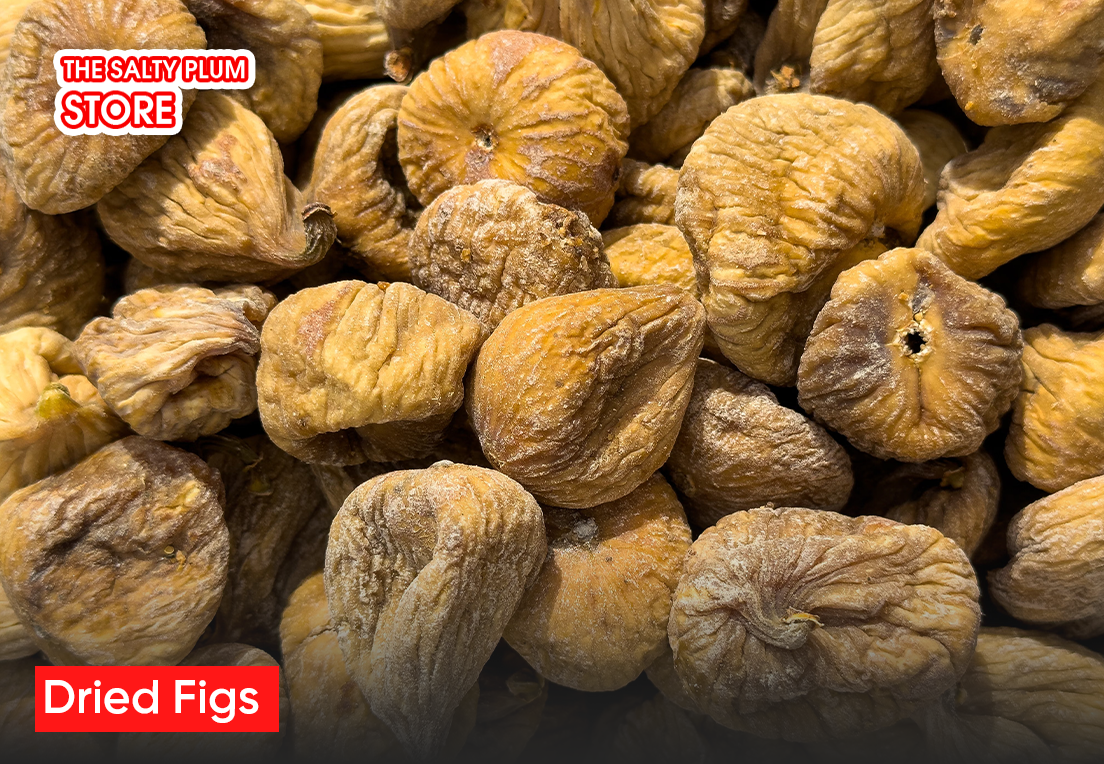
Dried figs provide fiber, calcium, potassium, and magnesium, giving them a broader mineral profile than their naturally sweet taste might suggest. Calcium contributes to normal bone structure, while potassium and magnesium support several essential functions throughout the body.
Dried figs also offer a practical source of fruit-based fiber in a compact form. A small serving of dried figs can work well in oatmeal, yogurt, salads, or snack mixes. Their concentrated sweetness means you do not need a large amount to add substantial flavor.
4. Raisins
Raisins provide fiber and potassium while offering a naturally sweet and highly portable way to include fruit in meals and snacks. Their small size makes them particularly convenient for travel, work, school, hiking, and outdoor activities.
Raisins contain naturally occurring fruit sugars because grapes already contain sugar before dehydration. The drying process removes water and concentrates those sugars, which means raisins can deliver more sugar and calories per unit of weight than fresh grapes.
Raisins can become a healthy dried fruit option when you use a measured serving and choose products that do not contain unnecessary added ingredients. You can add them to oatmeal, whole-grain cereal, salads, trail mix, or yogurt.
5. Dates
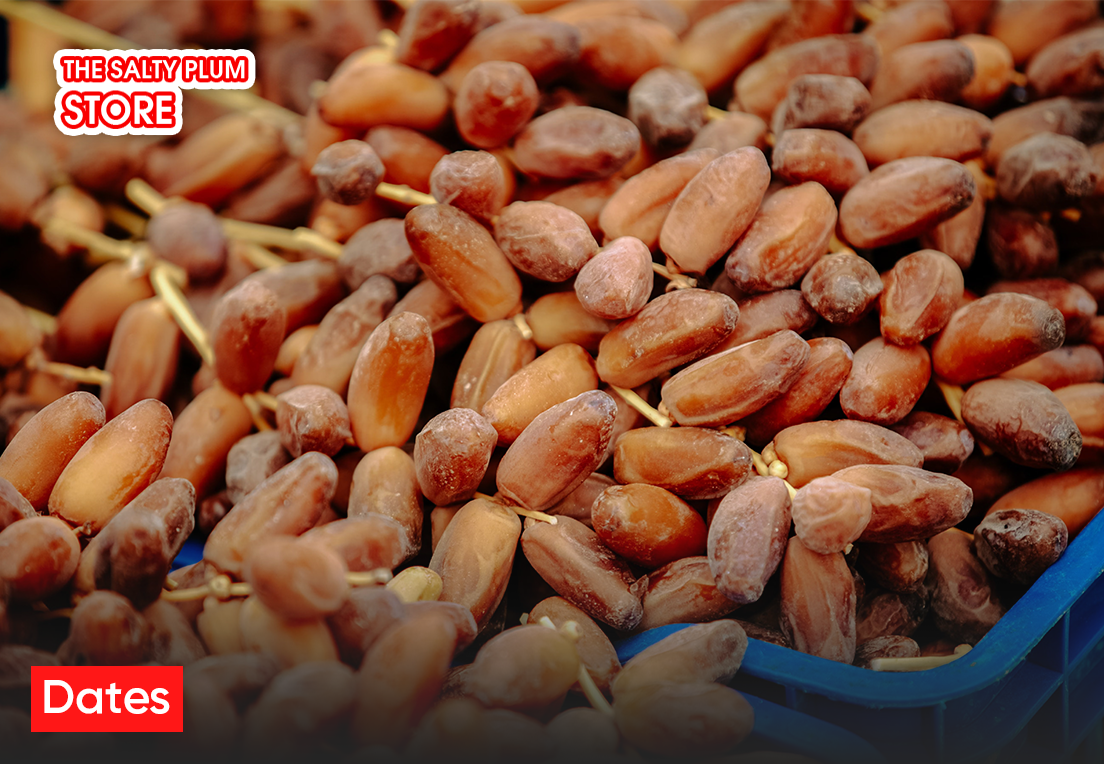
Dates provide fiber, potassium, and magnesium while delivering a naturally sweet flavor that makes them useful as both a snack and an ingredient. Their sweetness comes primarily from naturally occurring sugars that become concentrated when the fruit loses water during drying.
Dates have high energy density, so a small portion can provide substantial energy. That characteristic makes them useful for active occasions, but it also means that eating several large dates without considering the total portion can quickly increase calorie intake.
6. Dried Mango
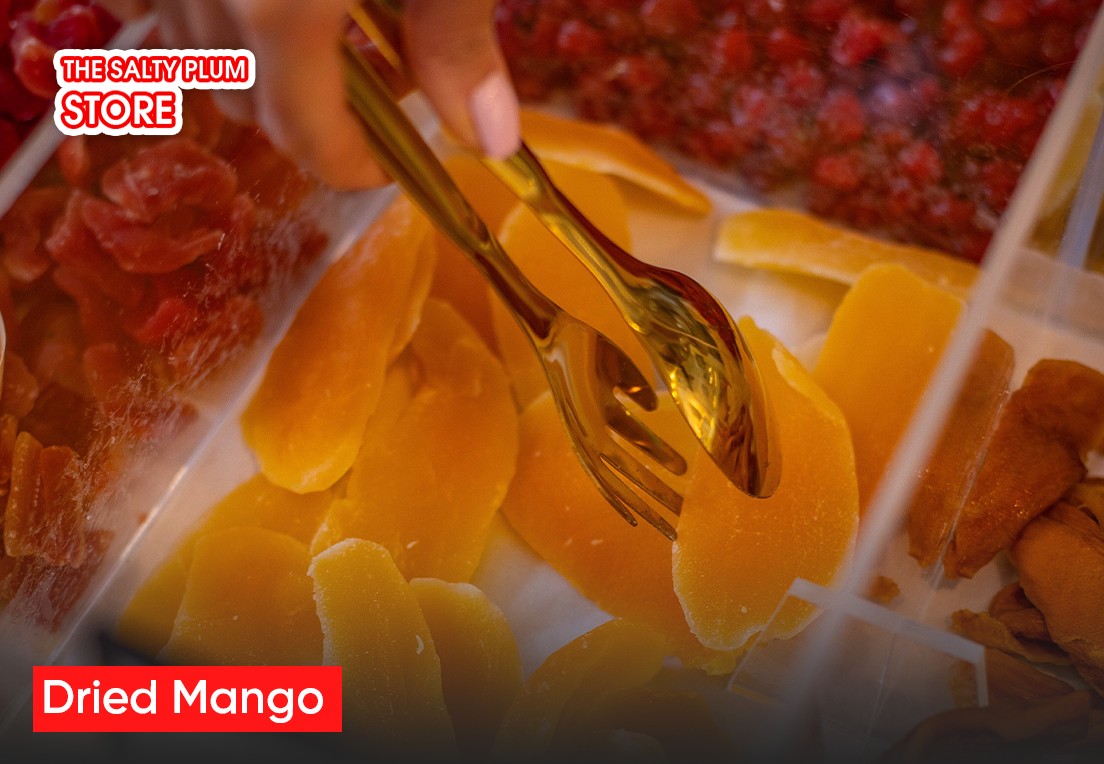
Dried mango provides a convenient tropical fruit option, but its nutritional value depends heavily on how the product is processed. Mango naturally supplies nutrients and plant compounds, yet commercial dried mango can contain added sugar because manufacturers may sweeten the fruit during processing.
TSG Gordonvale offers dried mango alongside other Asian dried-fruit and preserved-fruit products, making mango a relevant choice for shoppers exploring tropical snack options. However, individual products can have different ingredients, so shoppers should check the product label rather than assume that every dried mango product has the same nutritional profile.
Among dried fruits healthy options, dried mango can fit well when the product contains a straightforward ingredient list and the serving size remains moderate.
7. Dried Apples
Dried apples provide fiber and a naturally sweet fruit flavor in a lightweight, portable format. The removal of water makes apple slices easier to store and carry, which can turn them into a practical snack for work, school, travel, or outdoor activities.
Dried apples still retain much of the fruit's fiber and mineral content, although heat-based drying can reduce some heat-sensitive vitamins such as vitamin C. A simple dried apple product can work well as a snack on its own or as an ingredient in oatmeal and cereal. You should still check the ingredient list because some packaged varieties contain added sugar, flavorings, or other ingredients.
8. Dried Pears
Dried pears provide fiber and a naturally sweet flavor while offering the convenience of a shelf-stable fruit snack. Their soft or chewy texture can make them an appealing alternative to more heavily processed sweet snacks.
Dried pears can contribute to daily fiber intake, but they should not be presented as a treatment for digestive problems. Their role is better understood as part of a varied diet that includes fruits, vegetables, whole grains, legumes, and other fiber-rich foods.
Dried pears also work well in breakfast bowls, snack mixes, or yogurt. As with other dried fruit, the compact size makes portion awareness important because you can eat considerably more fruit in dried form than you might consume fresh.
9. Dried Cherries
Dried cherries provide polyphenols and other antioxidant compounds that naturally occur in cherries. Polyphenols are plant compounds that researchers study for their biological activity, although the presence of these compounds does not mean that dried cherries prevent or treat specific diseases.
Dried cherries can add a concentrated sweet-tart flavor to oatmeal, salads, trail mixes, and baked foods. Their strong flavor means a small amount can contribute noticeable taste without requiring a large serving.
Added sugar requires particular attention when buying dried cherries because commercial products can vary substantially in formulation. Reading the ingredient list helps you distinguish naturally occurring fruit sugars from ingredients added during processing.
10. Dried Cranberries
Dried cranberries provide plant compounds and a distinctive tart flavor, but many commercial cranberry products contain added sugar to balance their natural acidity.
Dried cranberries remain popular because their flavor works well in trail mix, salads, oatmeal, cereal, yogurt, and baked goods. Their nutritional value should therefore be considered alongside their complete ingredient list rather than judged solely by the word “cranberry” on the package.
When comparing dried fruits healthy products, cranberry labels deserve particular attention because two products with the same fruit name can have very different amounts of added sugar.
Healthy dried fruits can provide fiber, minerals, and plant compounds while offering a convenient way to include fruit in a balanced diet. Prunes, dried apricots, figs, raisins, dates, mango, apples, pears, cherries, and cranberries each provide different nutrients, but their overall nutritional value depends on the ingredients, processing methods, and portion size.
At TSG Gordonvale, you can explore dried mango, prunes, pawpaw, tamarind, and other Asian dried-fruit products while checking each product label to find an option that suits your dietary need.