



How to Choose High-Quality Dried Fruits: Avoid Cheap Products
Learning how to choose dried fruits the right way takes less than five minutes, but it saves you from unknowingly consuming additives, added sugar, and preservatives every single day. At TSG Gordonvale, we believe every customer deserves to know exactly what goes into their snack before it goes into their body.
Walk into any health food aisle and you will find dozens of dried fruit options, each one claiming to be "natural," "healthy," or "preservative-free." The truth is, most of these labels mean very little without knowing what to actually look for. Cheap dried fruits flood the market precisely because they are easy to make look appealing while cutting corners on ingredients, processing, and sourcing.
This guide breaks down exactly how to identify high-quality dried fruits vs cheap products, from visual checks to label reading, so you can make confident, informed decisions every time you shop.
How Color Reveals Dried Fruit Quality
One of the fastest ways to identify premium dried fruits is to look at the color. This step takes seconds but reveals a lot about what went into the product.
The Truth Behind Bright-Colored Dried Fruits
If a dried apricot looks bright orange, a dried mango looks neon yellow, or a dried cherry looks almost luminous red, that is a sign, not a selling point. That level of color retention in a dried product almost always comes from Sulfur Dioxide (SO₂), a preservative widely used in cheap dried fruit manufacturing to prevent oxidation and maintain visual appeal.
Sulfur Dioxide is listed on labels under codes such as E220 or the term "sulphites." It extends shelf life but has been linked to respiratory sensitivity, particularly in people with asthma. The brighter the fruit looks, the more likely it has been treated.
Natural Appearance Is the Real Green Flag
Sulfate-free dried fruit will always appear darker, slightly uneven in color, and less "perfect" than its treated counterpart. A sulfite-free apricot ranges from brown to dark amber. A naturally dried mango takes on a deep golden-orange rather than a bright yellow.
This happens because of a completely normal chemical process called oxidation, the same reason a sliced apple turns brown. When fruit is dried without chemical intervention, oxidation occurs naturally. The result is a product that looks less polished but contains nothing you cannot pronounce.
Size and Shape Consistency
Premium dried fruits hold their shape. A quality dried mango slice sits flat, maintains its original cut dimensions, and does not crumble when handled. Cheap products often show visible inconsistencies: some pieces are powdery, others are sticky or compressed into unnatural clumps. This happens when low-grade raw fruit is used, or when excess moisture
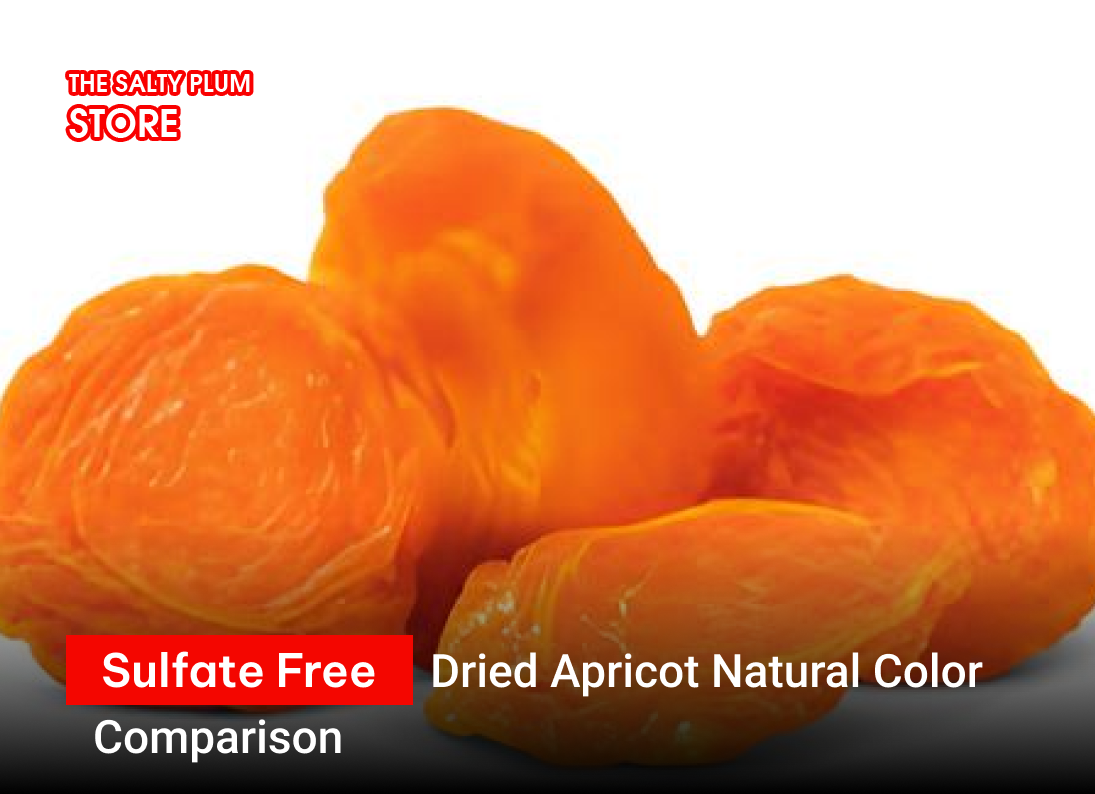 Sulfate free dried apricot natural color comparison
Simple Ingredient Lists Are Usually a Better Sign
Once you have done the visual check, flip the package over. The ingredient list on a dried fruit product should be short, ideally one line.
No Added Sugar: A Critical Signal
Cheap dried fruits frequently contain added sugar. Manufacturers use sugar for two reasons: it masks the sour taste of unripe or low-quality fruit, and it increases the product weight at minimal cost. When you see "sugar," "glucose syrup," or "cane sugar" in the ingredient list of a product that should only contain fruit, the manufacturer is compensating for something.
Naturally sweet, high-quality dried fruits — ripe mangoes, dates, figs, or pineapples, do not need added sugar to taste good. If the ingredient list contains anything beyond the fruit itself (and possibly a small amount of citric acid for tartness balance), look for another product.
Artificial Flavors vs. Real Fruit Aroma
Open the bag before you buy, if possible. A genuinely high-quality dried mango smells like mango. sweet, slightly tangy, unmistakably tropical. A cheap product treated with artificial flavoring often smells chemical, overly sweet, or vaguely fruity without a clear identity.
The aroma test is one of the most reliable ways to evaluate identifying premium dried fruits before committing to a purchase. If it does not smell like the fruit it claims to be, do not expect it to taste like it either.
Taste and Texture Matter More Than You Think
After visual and label checks, texture and taste are your final confirmation. A high-quality dried fruit has a specific sensory profile that cheap products consistently fail to replicate.
The Perfect Moisture Balance
Premium dried fruits achieve a precise moisture level during processing. The result is one of two correct textures depending on the product:
- Chewy: like properly dried mango, apricot, or fig. It should give slightly under pressure without being wet or sticky.
- Crispy: like freeze-dried strawberries or apple chips. A clean, light snap with concentrated flavor.
Cheap products tend to land in the wrong zone. Over-dried products become rock-hard and tasteless, the result of excessive heat that destroys flavor compounds. Under-dried products feel wet, stick to everything, and carry a much higher risk of mold during storage.
Consistency Across Every Piece
Bite through a few pieces of the same product. In a quality batch, the flavor, sweetness, and texture should be consistent from one piece to the next. This reflects careful raw material sourcing and controlled drying processes.
In cheap products, you often find one piece that tastes overly sweet (from added sugar pooling), another that is fibrous and sour (from underripe fruit), and a third that tastes of nothing (from over-processing). That inconsistency is a direct reflection of the quality control or lack of it in the production line.
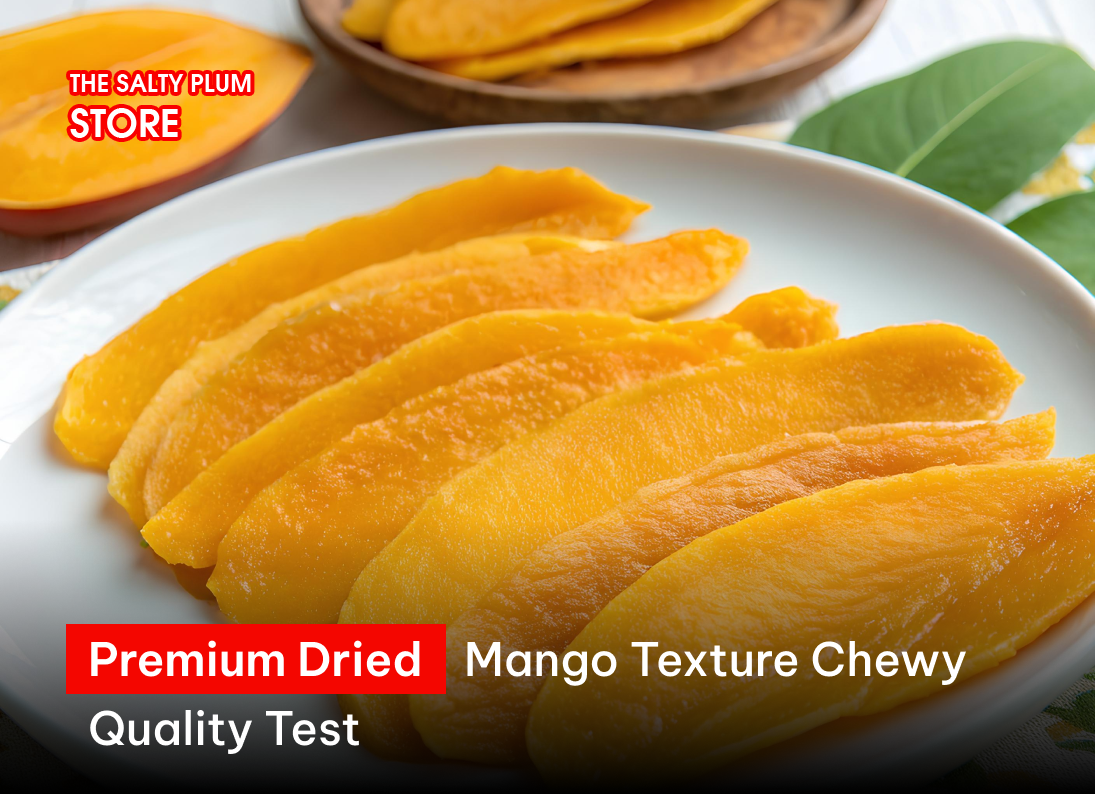 Premium dried mango texture chewy quality test
Packaging Matters: Why Open Bins Are a Red Flag
How a product is stored before it reaches your hands matters as much as what goes into it. Even the best dried fruit can degrade quickly if packaging is inadequate.
The Risk of Buying From Open Bin
Bulk bin dried fruit, sold loose without individual packaging, presents three compounding problems
First, oxygen exposure begins oxidizing the product the moment it is unpacked. The antioxidants naturally present in premium fruit break down, reducing both nutritional value and flavor. Second, open bins in retail environments accumulate humidity, especially in Queensland's climate, accelerating the risk of mold and bacterial contamination. Third, there is no ingredient list, no batch date, and no way to trace where the product came from or how it was processed.
Buying loose dried fruit from an open container is essentially buying a product with no accountability. Price is often the only information you have and that is rarely enough.
What Premium Packaging Actually Does
Premium dried fruits are often packed in resealable foil bags or airtight containers that help block light and moisture. This type of packaging is not only for presentation, but also plays an important role in preserving freshness, texture, and flavor by protecting the fruit from environmental exposure over time.
Look for:
- Resealable closure (zip-lock or clamp lid)
- Opaque or foil-lined material to block light
- A printed batch date or best-before date
- A full ingredient list and country of origin
Products that meet these packaging standards protect quality from factory to your pantry shelf.
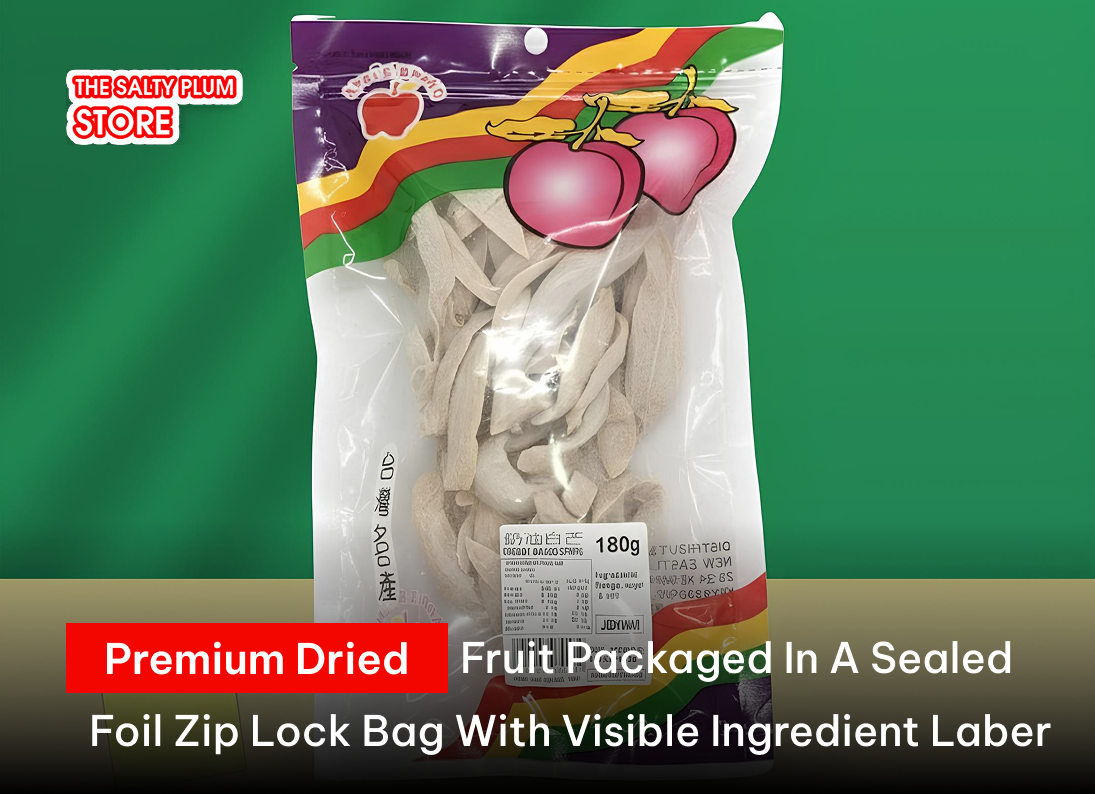 Premium dried fruit packaged in a sealed foil zip-lock bag with visible ingredient label
Why You Should Trust the Selection at TSG Gordonvale
At TSG Gordonvale, every dried fruit product on our shelves has passed through a strict vetting process before it ever reaches a customer. We operate on a Clean Label standard meaning we do not stock products that contain artificial colors, added sugars, sulfites, or undisclosed preservatives.
We have done the sourcing work so you do not have to. That means contacting suppliers directly, reviewing batch documentation, and refusing stock that does not meet our threshold — even when cheaper alternatives are readily available. Our customers range from health-conscious individuals in the Gordonvale region to parents choosing snacks for young children, and both groups deserve the same standard.
If you are ever unsure about a product you see on our shelves, our team will walk you through the label. Transparency is not a marketing tactic at TSG Gordonvale - it is how we operate.
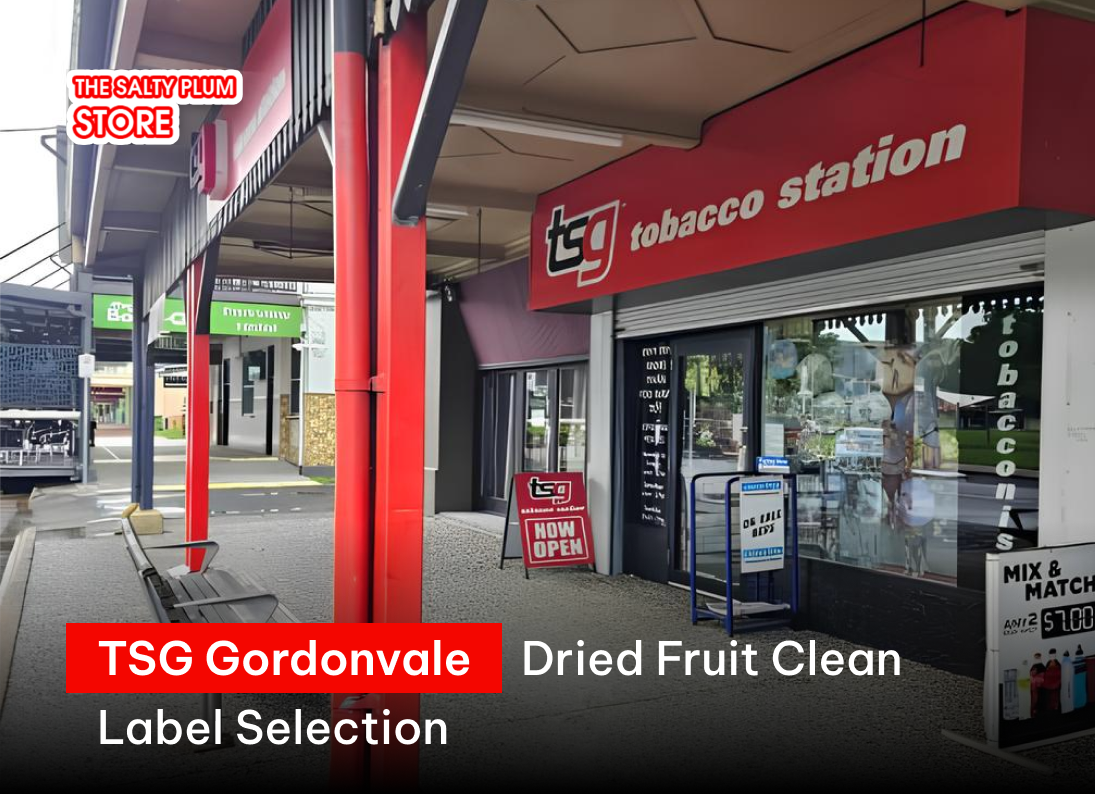 TSG Gordonvale's curated dried fruit clean label selection
Quality Over Quantity: The Final Word on Choosing Dried Fruits
The dried fruit market is full of options designed to look healthy while cutting corners on what actually matters. Knowing how to choose dried fruits properly means checking color before opening, reading the label before buying, testing texture before committing, and understanding that the cheapest bag on the shelf is often the most expensive choice for your health in the long run.
Flip the package over today. Check for E220, E221, added sugar, and artificial flavors. If the ingredient list is longer than two lines, put it back. If the color looks too perfect to be natural, it probably is not.
And when you want the confidence of knowing that work has already been done for you, visit the shelves at TSG Gordonvale - where every product is there because it earned its place.
Related Article:
Asian Snacks in Queensland: What Locals Are Buying in 2026
Why Some Dried Fruits Taste Better Than Others: The Secrets Behind the Quality
Salty Plum vs Dried Mango: Which One Should You Choose?