



If you have never eaten salty plum before, the flavour hits you in waves. First there is the salt. Then the sour. Then, depending on the variety, a gentle sweetness that lingers on the back of your tongue. It is an acquired taste for some, an instant obsession for others. Either way, knowing the difference between a soft salty plum and a hard dried one, between a Taiwanese style and a Chinese style, will save you from buying the wrong bag and wondering what all the fuss is about.
At TSG Gordonvale, Queensland's largest range of salty plum products is stocked right here in the Cairns region, and the team gets asked this question almost every day: where do I start? This guide offers a clear and straightforward answer.
What Is Salty Plum, Exactly?
Salty plum, also known as salted dried plum, preserved plum, orpreserved plum, is a fruit snack made from plums that have been dried and preserved with salt, sometimes sugar, and occasionally a combination of spices like liquorice or chilli. The process comes from centuries-old Asian food preservation traditions, and today it is beloved across Southeast Asia, East Asia, and wherever those communities have travelled, including right here in Australia.
The flavour profile is intentionally complex. Unlike a piece of fresh fruit, a salty plum is designed to make your mouth work: it brings saliva rushing in and wakes your palate up. That is why it pairs so well with tropical fruits, cold drinks, and the kind of hot Queensland afternoons you get in Gordonvale and across Far North Queensland.
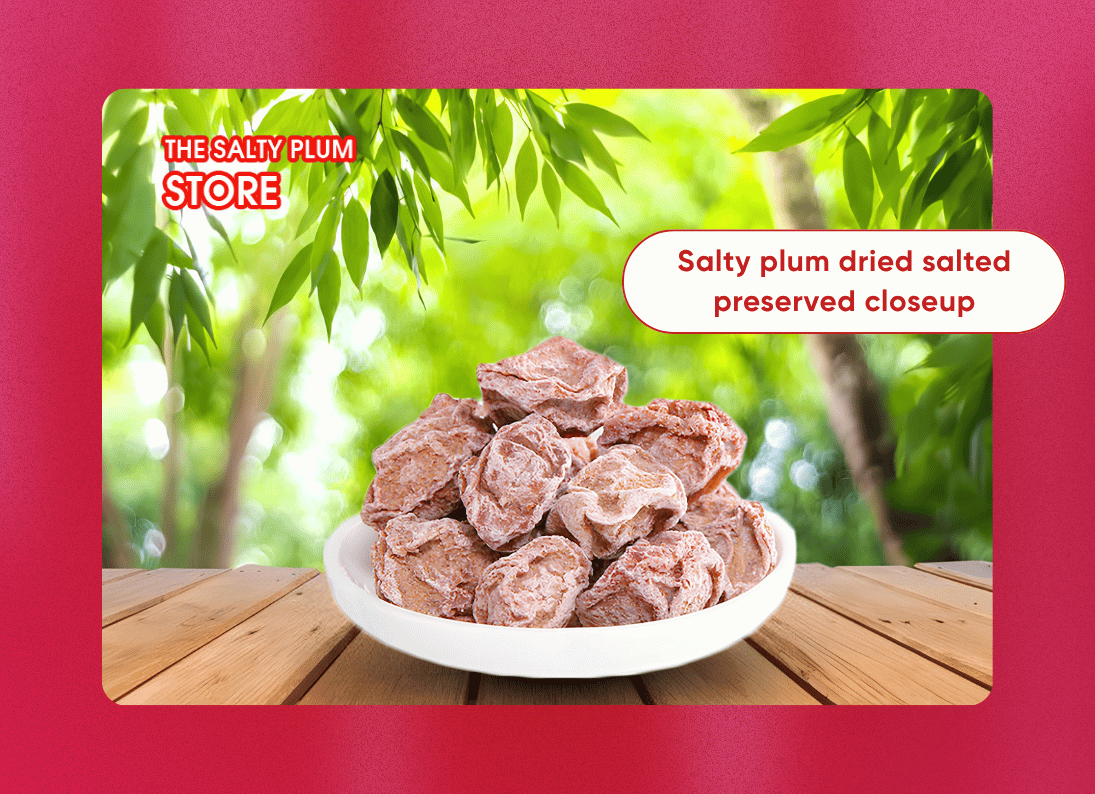 Salty plum dried salted preserved closeup
Understanding what salty plum is at its core makes the variety list much less overwhelming. Every type is still a preserved plum. What changes is the texture, the level of saltiness, the sweetness, and the moisture content. Keep that in mind and choosing becomes a lot easier.
The Main Types of Salty Plum Explained
There is no single "salty plum." The category covers a wide range of products, each with its own personality. Here are the main types you will encounter when shopping at a dedicated salty plum store like TSG Gordonvale.
Soft Salty Plum (Moist / Chewy)
This style is especially suitable for beginners. Soft salty plums are dried to a point where they retain moisture, giving them a chewy, almost candy-like texture. The salt level is usually moderate, the sourness is present but not overwhelming, and many varieties include added sweetness. Think of it as salty plum with the training wheels still on, in the best possible way.
If you have never eaten a salty plum before and you are a little nervous about the intensity, soft salty plum is where you belong. It is also a crowd-pleaser for kids and anyone who is used to sweeter snacks. Browse the full salty plum range at TSG Gordonvale to see the soft varieties available.
Hard Dried Salty Plum (Traditional Style)
The traditional, fully-dried salty plum is a firmer, more intense experience. The moisture has been almost completely removed, concentrating the salt and sour flavours into something that takes a little longer to eat. That is the point. You suck on it, you savour it. This style is deeply rooted in Chinese and Taiwanese snack culture and tends to be the preference of those who grew up with salty plum.
For a first-timer, hard dried salty plum can be a shock. The saltiness hits immediately. But give it a minute and you will understand exactly why people become obsessed. This is the style that pairs perfectly with a cold glass of water or a hot cup of tea on a slow Gordonvale afternoon.
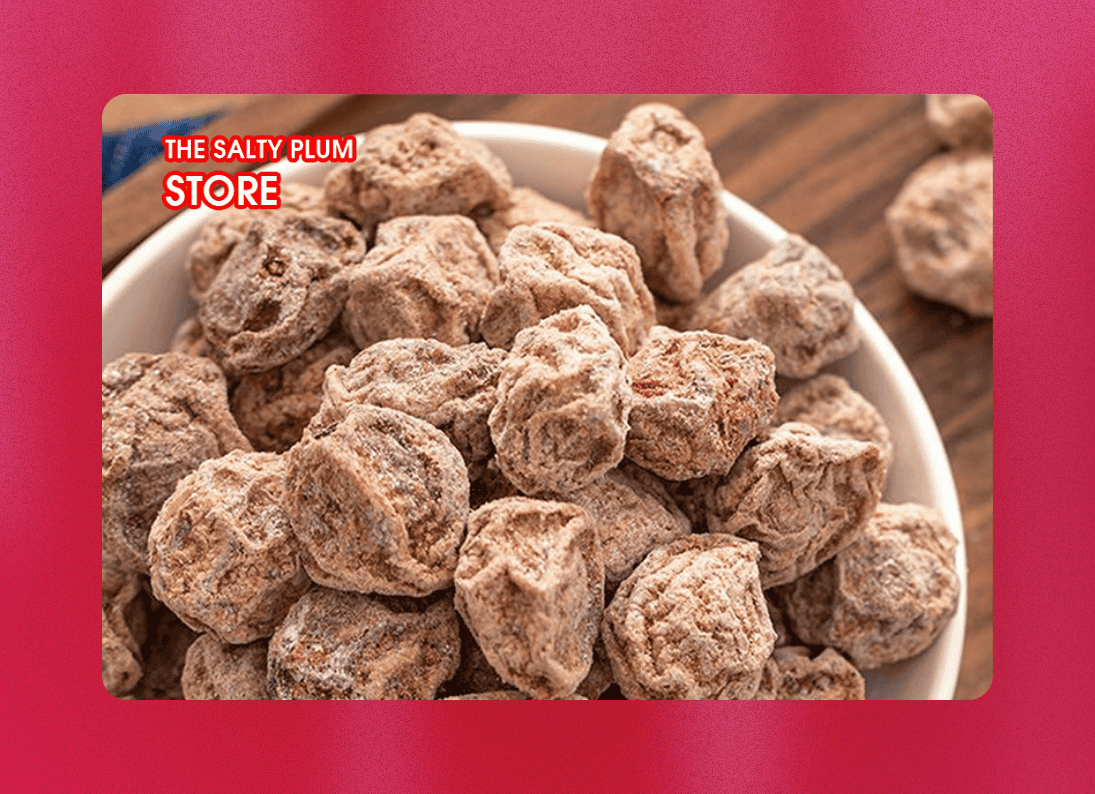 Soft salty plum vs hard dried plum comparison
Sweet Salty Plum
Sweet salty plum tips the balance toward sweetness, with the salt playing a supporting role. Liquorice is often added, giving a slightly anise-like note that makes these incredibly moreish. They tend to be the style you find at Asian grocery stores in Queensland, often from Taiwan or Hong Kong, and they are a great bridge product for people who enjoy sweet-sour candies but want to try something more traditional.
Sour Salty Plum
If you enjoy the tartness of a Warhead candy or a sour lolly, sour salty plum is going to make your day. These are made from plum varieties with higher natural acidity, preserved in a way that amplifies rather than softens that sourness. The salt is still there, but the sour is the star. Popular in Vietnam and across Southeast Asia, they are not for the faint-hearted. They are, however, deeply addictive.
Salty Plum with Chilli
Adding chilli to salty plum is a Southeast Asian tradition that has travelled the world. The heat builds gradually after the initial salt and sour hit, creating a layered snacking experience that keeps you coming back. This style is especially popular in Far North Queensland where spicy flavours are no stranger to the local palate. Pair it with fresh mango or pineapple for the full tropical experience.
Which Option Is Easiest for Beginners?
Here is the honest recommendation, based on years of helping customers at TSG Gordonvale find their first salty plum: start with soft, sweet salty plum.
The reason is simple. Soft texture means you do not have to commit to a long eating experience while your palate adjusts. The sweetness cushions the salt. And the chewy consistency feels familiar. It is not far removed from a fruit chew or a lolly snake in the way it behaves in your mouth. From there, you can graduate to firmer, saltier, or more sour varieties as your confidence builds.
A Suggested Progression for New Salty Plum Fans
Think of it as a ladder. Start at the bottom and climb when you are ready:
Step 1: Soft sweet salty plum: low intensity, high approachability, great for sharing.
Step 2: Soft sour salty plum: introduces more tartness while texture stays friendly.
Step 3: Hard dried sweet salty plum: now you are working with a more concentrated flavour.
Step 4: Hard dried traditional salty plum: the full, authentic experience.
Step 5: Salty plum with chilli: for those who want the complete Southeast Asian snack adventure.
There is no wrong place to stop on that ladder. Some people try step 1 and that is enough. They are perfectly happy nibbling on soft sweet salty plum for the rest of their lives. Others jump straight to step 5 and never look back. The point is: you now know the map.
Quick Comparison: Salty Plum Types at a Glance
|
|
|
|
|
|
|
|
|
|
|
|
|
|
|
|
|
|
|
|
|
|
|
|
|
|
|
|
|
|
|
|
|
|
|
|
|
|
|
|
|
|
How to choose the right salty plum for you
Learning the differences is a good first step, but choosing the right one also depends on your personal taste and needs. Here are a few practical questions to consider before buying.
Are You Sensitive to Salt?
Some people find high-sodium snacks uncomfortable or are watching their salt intake for health reasons. If that is you, lean toward soft sweet varieties where the saltiness is deliberately restrained. Avoid the hard dried traditional styles for now. They pack a significant sodium punch per piece.
Do You Enjoy Sour Flavours?
If you are the person who eats lemon slices straight and loves a tart dressing on your salad, you are already wired for sour salty plum. Go ahead and skip the sweet varieties. They might actually feel a little flat to you. Head straight to the sour styles and enjoy.
Are You Buying for a Group or for Yourself?
Buying for a party or a gathering in Cairns? Soft sweet salty plum is the safe crowd-pleaser. Buying just for yourself and you are feeling adventurous? That is your invitation to experiment. Pick up two or three different styles in small quantities and do your own taste test at home. Many regular customers at TSG Gordonvale started that way and now have a firm favourite they reorder every month.
What Are You Eating It With?
Salty plum is incredibly versatile. It tastes great on its own as a snack, but it also pairs well with other foods. Traditional dried salty plum goes beautifully with rice porridge or jasmine tea. Sweet salty plum pairs with fresh tropical fruit: mango, pineapple and guava, in the same way salt enhances any sweet dish. Chilli salty plum is the go-to topping for fresh green mango in Southeast Asian street food tradition, and that combination works just as well with the mangoes grown right here in Far North Queensland.
 Salty plum paired tropical fruit Queensland
Buying salty plum in Gordonvale & the Cairns region
Queensland's Far North is home to one of Australia's most diverse food communities, and salty plum has been part of the local snacking culture here for decades. If you live in Cairns, Gordonvale, or anywhere across the region, you do not have to order online from interstate or settle for a limited supermarket shelf.
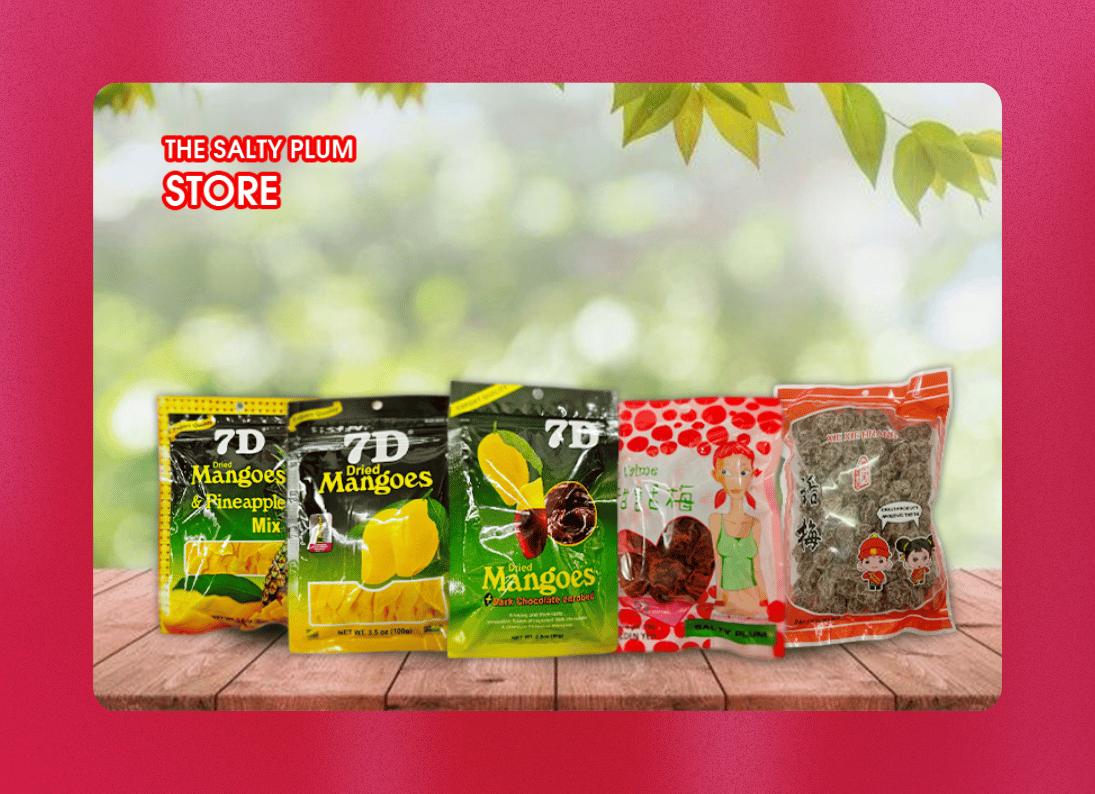
TSG Gordonvale (The Salty Plum Store) is located at Shop 2, 76 to 86 Gordon Street, Gordonvale, 4865, Queensland. It stocks Australia's largest range of salty plum products, including soft varieties, traditional hard dried styles, sweet, sour, and chilli options sourced from Australia, Taiwan, Hong Kong, Singapore, and beyond.
Walking into the store for the first time is a bit like walking into a lolly shop as a kid. Instead of jelly beans, you are surrounded by beautiful little packages of something that has centuries of food history behind it. The team is genuinely passionate about helping first-timers find their footing. Do not be shy about asking which type is right for you.
If you prefer to shop from home, the full product catalogue is available online with delivery across Australia. Orders from the Cairns region often arrive the next business day. You can also explore the dried mango range and other tropical dried fruits that pair beautifully with salty plum if you want to build a proper snack spread.
FAQs About Salty Plum
Is salty plum good for you?
Salty plum contains plum, which is a source of dietary fibre and antioxidants. However, the preservation process adds significant sodium, so it is best enjoyed as a snack in moderation rather than a health food. People managing high blood pressure should be mindful of portion sizes, particularly with traditional hard dried varieties.
What Is the Taste of Salty Plum Like?
The dominant flavour is salt, followed immediately by sour, with varying levels of sweetness depending on the type. Some varieties include liquorice, which adds a faintly herbal, anise-like note. The overall experience is intense and complex: nothing quite like anything else in the Western snack world, which is exactly what makes it so interesting.
How do you eat salty plum?
Most people eat salty plum directly as a snack, either sucking on it slowly or chewing it. It can also be added to drinks (salty plum in sparkling water or lemonade is a popular Southeast Asian refreshment), used as a seasoning for fruit, or incorporated into sauces and marinades. If you are completely new to it, just start by eating one piece on its own and let your palate adjust before experimenting further.
Where can I buy salty plum in Queensland?
The best and most comprehensive selection in Queensland is at TSG Gordonvale in Gordonvale, near Cairns. The store stocks dozens of varieties from multiple countries. For added convenience, The Salty Plum Store offers online ordering with Australia-wide delivery.
Can children eat salty plum?
Children can eat salty plum, and many kids in Asian communities grow up loving it. Soft, sweet varieties are the most appropriate for younger children. Parents should be mindful of the sodium content and the presence of a pit in some traditional varieties. Always check the product first and supervise young children.
Related Article:
Why Salty Plums Are So Addictive (And Why Australians Love Them)
Where to Buy Salty Plum in Australia? Best Options in Queensland
Can't Find Salty Plum in Traralgon? We Deliver from Queensland to Your Door